

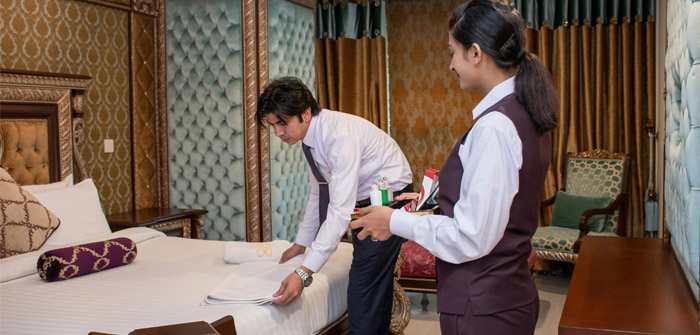
The hospitality industry has always been about creating memorable experiences for guests. Today, technology and innovation are reshaping how hotels, resorts, and other hospitality businesses operate, making stays more convenient, personalized, and efficient than ever before.
From streamlining check-in processes to enhancing room comfort, these innovations are not just improving guest satisfaction but also helping businesses reduce costs and operate more sustainably. The following six transformations are leading the charge in modernizing hospitality.
Smart Hotel Key Cards
Gone are the days when losing a hotel room key meant a trip to the front desk and a lengthy replacement process. Modern hotels now use hotel key cards, incorporating advanced technology that enhances both security and convenience.
[1] [2] [3] Today’s smart key cards use RFID technology and encrypted data to provide secure access while preventing unauthorized duplication. Some hotels have taken this further by integrating key cards with payment systems, allowing guests to charge purchases throughout the property.
The most significant advancement is the integration with mobile technology. Many hotels now offer digital keys that guests can access through their smartphones, eliminating the need for physical cards altogether. Guests can check in remotely and head straight to their rooms.
Artificial Intelligence and Chatbots
Artificial intelligence has become an invaluable asset in hospitality, particularly through the deployment of chatbots and virtual assistants. These AI-powered tools handle everything from booking inquiries to concierge services, operating around the clock without fatigue.
Chatbots can answer common questions, process reservations, provide local recommendations, and even handle complaints with programmed empathy and efficiency. This frees up human staff to focus on complex situations requiring personal attention.
The learning capabilities of modern AI systems mean they improve continuously, recognizing patterns in guest preferences and adapting responses accordingly. This creates increasingly personalized interactions that feel surprisingly human despite their automated nature.
Hotels implementing AI solutions report significant improvements in response times and guest satisfaction scores. The technology also analyzes vast amounts of data to predict occupancy trends, optimize pricing strategies, and forecast maintenance needs before problems arise.
Internet of Things Integration
The Internet of Things has transformed hotel rooms into smart environments where devices communicate seamlessly to create optimal comfort. Guests can now control lighting, temperature, entertainment systems, and curtains through unified interfaces or voice commands.
Smart thermostats learn guest preferences and adjust automatically, while sensors detect when rooms are occupied to optimize energy consumption. This technology significantly reduces waste without compromising comfort, aligning with sustainability goals.
IoT devices also streamline housekeeping operations by monitoring room status in real-time. Staff receive instant notifications when guests check out, enabling faster room turnover and more efficient scheduling of cleaning crews throughout the property.
Beyond individual rooms, IoT systems manage building-wide operations including HVAC systems, lighting in common areas, and water usage. This comprehensive approach to automation delivers substantial cost savings while enhancing the overall guest experience.
Contactless Technology
The pandemic accelerated adoption of contactless technology, but its benefits have proven lasting beyond health concerns. Guests now expect seamless, touch-free interactions throughout their stay, from arrival to departure.
Mobile check-in and checkout eliminate queues at the front desk, while contactless payment systems speed up transactions at restaurants, spas, and retail outlets. QR codes provide instant access to menus, service directories, and local information.
Voice-activated room controls and smartphone integration mean guests rarely need to touch shared surfaces or devices. This convenience factor has become a major differentiator in hospitality, with travelers actively seeking properties offering comprehensive contactless options.
Hotels benefit from reduced staffing needs at certain touchpoints while maintaining service quality. The technology also generates valuable data about guest behavior and preferences, enabling more targeted marketing and personalized service offerings.
Personalization Through Data Analytics
Modern hospitality businesses harness big data to create highly personalized guest experiences. By analyzing past stays, preferences, and behaviors, hotels can anticipate needs before guests even articulate them.
Sophisticated systems track everything from preferred room temperature and pillow firmness to favorite restaurants and activity choices. This information allows staff to prepare rooms perfectly and make tailored recommendations that feel genuinely thoughtful.
Predictive analytics help hotels identify opportunities to upsell services that align with specific guest interests. A business traveler might receive workspace upgrade offers, while families get activity packages curated for their children’s ages.
The technology extends beyond individual preferences to segment guests into categories for targeted marketing campaigns. Hotels can send relevant promotions and communications that resonate with each group, dramatically improving conversion rates and building long-term loyalty.
Sustainable Technology Solutions
Sustainability has moved from optional to essential in hospitality, with innovative technologies helping properties reduce environmental impact while appealing to eco-conscious travelers. Smart systems optimize resource consumption without diminishing comfort or convenience.
Advanced water management systems detect leaks instantly and regulate flow rates, while greywater recycling reduces overall consumption. Solar panels and smart grids minimize reliance on traditional energy sources, with battery storage systems ensuring consistent supply.
Hotels are implementing waste reduction technologies including composting systems, smart inventory management to reduce food waste, and comprehensive recycling programs tracked through digital platforms. These efforts significantly lower operational costs alongside environmental footprints.
Guests increasingly choose accommodations based on sustainability credentials, and hotels showcasing genuine commitment through measurable technology implementations gain competitive advantages. Digital platforms allow properties to communicate their environmental achievements transparently, building trust and attracting value-aligned customers.
The Future of Hospitality
These innovations represent just the beginning of hospitality’s technological transformation. As artificial intelligence becomes more sophisticated, IoT networks more comprehensive, and sustainability imperatives more urgent, the industry will continue evolving rapidly.
The most successful hospitality businesses will be those embracing innovation while maintaining the human touch that makes travel memorable. Technology should enhance rather than replace genuine hospitality, creating efficiency that allows staff more time for meaningful guest interactions.
Investment in these innovations pays dividends through improved operational efficiency, enhanced guest satisfaction, and stronger competitive positioning. Properties that thoughtfully integrate technology while staying true to hospitality’s core values will thrive in this new era.