

(Photo courtesy of OCEWC)
Oregon could gain thousands of energy jobs over the next decade, and a new statewide initiative aims to help more Oregonians discover careers in the growing industry, including opportunities that offer competitive wages and don’t require a four-year degree.
The Oregon Clean Energy Workforce Coalition (OCEWC) will officially launch Do What You Love on Friday, November 13, at Portland Community College’s Workforce Opportunity Center. The initiative brings together more than 100 organizations working to help students, jobseekers and people considering career changes explore energy jobs and the training needed to pursue them.
The launch event, People Powering Oregon features a keynote by PGE CEO Maria Pope, remarks from Rep. Dacia Grayber and an announcement about the next chapter for Oregon’s clean energy workforce. Energy workers, labor representatives, educators and coalition partners will share their career experiences.
The event is expected to draw leaders from across Oregon’s energy, education, labor and workforce sectors, including PGE, community colleges and school districts statewide, and more than a dozen labor unions and workforce boards.
According to the Oregon Department of Energy’s 2025 Oregon Energy Strategy, the state could gain 9,200 to 16,500 energy-sector jobs by 2035, a 7% to 12% increase over 2024 employment. ECONorthwest also reports that Oregon energy workers earn about 37% more annually than the average Oregon worker.
Through Do What You Love, Oregonians can visit oregondowhatyoulove.org to take a free five-minute Career Explorer Quiz that matches their interests and skills with six career types.
The website also offers a free Introduction to Energy Jobs course and information about training programs and career resources across Oregon. Spanish-language resources are also available.
“This tool is needed now because the energy sector in Oregon is changing rapidly,” said Brooke Brownlee, executive director of OCEWC. “We have new technologies; we have decarbonization goals in the state that are requiring us to provide different types of energy than we have historically. All of that requires people.”
Brownlee said the energy industry needs people with a wide range of skills, including those who may never have considered working in energy.
“We have data scientists, we have folks who work in environmental, we have folks who work with forests and trees,” Brownlee said. “And so it really is an opportunity for basically anyone to come in and use their skills.”
The initiative is designed for students, people considering career changes, workers in other industries, rural residents and people returning to the workforce after incarceration.
Before Derek Thill joined Portland General Electric, he was building cabinets. He started his energy career as a utility worker, worked his way up to journeyman lineman and now serves as a union business representative. He wants others to know they can earn a paycheck while learning a trade.
“You’re going to make great wages, you’re going to have excellent benefits, and you’re going to learn what it’s like to be in the electrical trade,” Thill said. “And then you work your way from the ground up, and they’ll train you, and you’ll get paid the whole time you’re doing it.”
Ashley Yost was serving a five-year sentence at Coffee Creek Correctional Facility when she discovered the program, which introduced her to a future in the trades. Now a second-year ironworker apprentice with Ironworkers Local 29, she has health benefits, retirement savings and a goal of buying her first home.
“I knew that was it. That was my chance to make something of my life, to do something positive, to turn this negative experience of prison into a whole lifestyle. And that was my way out,” said Yost. Brownlee hopes stories like Yost’s will help others recognize opportunities they may not have imagined for themselves.
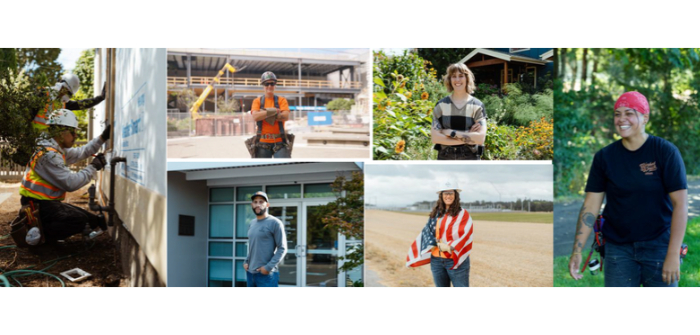
“And so making sure that we have those faces behind who is actually doing this work allows people to recognize and see themselves in the work,” said Brownlee.
Many energy careers offer paid training and apprenticeships. Electricians, for example, can train through five-year paid apprenticeships and earn a median annual wage of $101,310, according to occupational data published by OCEWC.
OCEWC aims to have 5,000 Oregonians complete the free introductory course by September 2027. The coalition developed the initiative with support from Jobs for the Future and the Ares Charitable Foundation through the Quality Green Jobs Regional Challenge.