

Relocating a business is a complex and often stressful undertaking. While moving to a new office or facility can present opportunities for growth, modernization, and a fresh start, it also comes with the challenge of minimizing downtime. Every hour your business is inactive can affect revenue, productivity, and client satisfaction. Planning carefully and taking strategic steps can make the transition smoother and ensure your operations continue with minimal disruption.
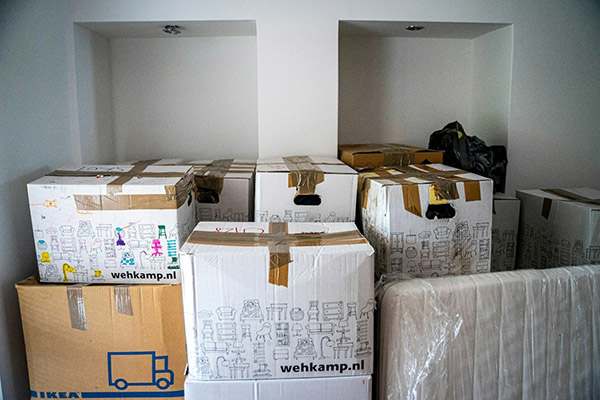
Source: Michal Balog at Unsplash
Start with Early Planning
The key to a successful business relocation is early and detailed planning. Begin preparations several months in advance to allow ample time for each stage of the move. Start by assessing your current operations and identifying the components most critical to maintain continuity. This includes inventory, equipment, IT infrastructure, and staff schedules.
Create a project timeline that outlines tasks, responsibilities, and deadlines. Include contingency plans for unexpected issues, such as delayed deliveries, technical challenges, or last-minute regulatory requirements. Assign a dedicated relocation coordinator or team to oversee the move and communicate progress with all employees.
Audit and Streamline Your Assets
Before moving, take the opportunity to conduct an audit of your assets and inventory. Decluttering unnecessary equipment, outdated documents, and unused furniture not only reduces moving costs but also minimizes the complexity of the relocation. Consider selling, donating, or recycling items that are no longer essential.
Streamlining your assets also makes it easier to unpack and organize your new space. For items that must be moved, create an inventory list and label each item clearly to ensure everything arrives at the correct location. This approach saves time during setup and helps avoid operational delays once you’re in your new facility.
Communicate with Employees Early and Often
Your staff are a critical part of maintaining business continuity during a move. Transparent communication ensures everyone knows what to expect and reduces confusion. Inform employees of the move as early as possible, providing details about timelines, responsibilities, and expectations.
Hold regular meetings to update staff on progress and answer any questions. Empower team members to provide input on workflow adjustments that may be necessary in the new location. Encouraging collaboration fosters a smoother transition and helps maintain morale, which is essential for minimizing productivity loss during the relocation period.

Source: Austin Distel at Unsplash
Choose the Right Professional Moving Services
Partnering with a reputable moving company is essential to reduce downtime and ensure a seamless relocation. Experienced movers understand how to handle office equipment, sensitive documents, and specialized machinery efficiently. Hiring professionals allows your staff to focus on their core responsibilities rather than managing logistics.
For businesses relocating in London, Finest Van Chelsea removals offer tailored solutions that prioritize speed, safety, and minimal disruption. By delegating the physical move to experts, you can ensure that your office setup is executed professionally and on schedule, helping your team get back to work faster.
Implement Technology Solutions
Technology can play a significant role in minimizing downtime during a business relocation. Before moving, back up all critical data to secure cloud storage or external drives. Ensure that your IT infrastructure is mapped out so that computers, servers, and networking equipment can be quickly set up in the new location.
Consider implementing temporary remote work arrangements to allow employees to continue operations while the physical move is underway. Cloud-based communication and project management tools can maintain collaboration and workflow without relying on physical office access. Additionally, coordinating with IT specialists ensures that phone lines, internet connections, and other essential systems are operational immediately upon arrival.
Stage the Move in Phases
Whenever possible, staging the move in phases can significantly reduce downtime. Instead of relocating the entire business in a single day, consider moving departments, teams, or non-critical equipment first. This approach allows essential operations to continue while parts of the office are being transitioned.
For larger businesses, temporary workspaces or storage facilities can help bridge the gap during phased relocation. By carefully scheduling which areas move first and coordinating with professional movers, your business can maintain at least partial operations, preventing a complete halt in productivity.
Plan for Minimal Operational Interruption
To further reduce downtime, identify critical operations that cannot be paused and develop strategies to keep them running. For example, if your business relies on manufacturing, ensure that production lines are either relocated last or temporarily outsourced. For client-facing operations, inform customers in advance about the move and provide alternative contact methods during the transition.
Streamlining logistics such as supply deliveries, invoicing, and inventory management is also crucial. Coordinate with suppliers to adjust delivery schedules and ensure that essential materials are available at the new location without interruption. Proper planning allows for a smoother transition, ensuring that both employees and customers experience minimal inconvenience.
Set Up the New Space Efficiently
Efficiency in the new location starts before you even arrive. Pre-plan the layout of your new office or facility, taking into account workflow, team collaboration, and equipment placement. Labeling storage areas, workstations, and departments before the move can save significant time during setup.
Upon arrival, prioritize the installation of essential equipment and systems. Getting the IT network, telephones, and critical machinery up and running first allows employees to resume key tasks immediately. Once primary operations are functional, secondary systems and non-essential departments can be brought online without pressure.
Test and Adjust Quickly
After the move, allocate time to test all systems and operations thoroughly. Identify any issues or bottlenecks early, and make necessary adjustments quickly. This proactive approach prevents small problems from escalating into major disruptions that could extend downtime.
Encourage employees to provide feedback about workflow and office layout, allowing for minor tweaks that optimize efficiency. Quick troubleshooting and adjustments help restore normal operations rapidly and ensure that your business can continue serving clients effectively.
Maintain Flexibility and Adaptability
No matter how carefully you plan, unexpected challenges can arise during a business relocation. Maintaining a mindset of flexibility and adaptability is crucial. Have contingency plans ready for potential delays, such as additional moving resources or temporary office arrangements.
Being proactive and responsive ensures that your business can overcome obstacles without a significant impact on productivity. Encouraging a culture of problem-solving among employees also helps maintain momentum and ensures that the relocation does not negatively affect client satisfaction or revenue.
Communicate with Clients and Stakeholders
Your clients and stakeholders are directly affected by any downtime, so clear communication is essential. Notify them of the move in advance, providing details about new contact information, timelines, and potential service interruptions.
If possible, offer assurances that critical services will continue during the relocation. Maintaining transparency builds trust and reduces the risk of dissatisfaction. For businesses that rely heavily on client interactions, temporary virtual meetings or service arrangements can keep operations smooth and maintain positive relationships.
Post-Move Review and Improvement
Once the relocation is complete, conduct a post-move review to evaluate what went well and what could have been improved. Document lessons learned and create guidelines for future relocations. This knowledge can be invaluable for minimizing downtime and avoiding common pitfalls if another move becomes necessary.
Additionally, consider celebrating the successful move with your team. Recognizing employee efforts boosts morale and reinforces a positive culture during a period of significant change.


