

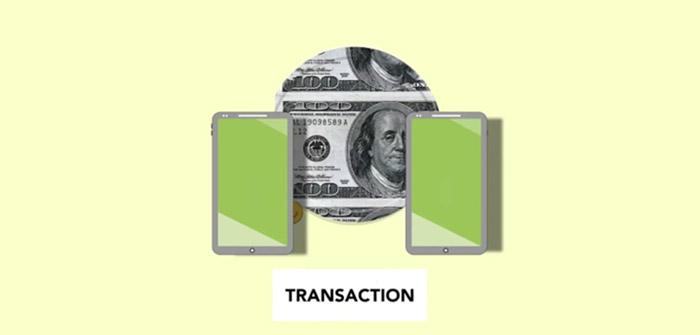
Digital financial services have become an integral part of modern life as technology reshapes how people manage their money. Consumers increasingly rely on online platforms and mobile applications to perform everyday financial tasks. Activities such as transferring funds, monitoring balances, and paying bills can now be completed within seconds. This convenience has helped accelerate the widespread adoption of digital financial tools.
The shift toward digital platforms has also changed expectations for financial accessibility. Users now expect services to be available around the clock without the need to visit physical offices. Mobile devices make it possible to manage financial activity from nearly any location. As a result, digital solutions are steadily replacing many traditional processes.
Convenience and Accessibility for Consumers
One of the primary reasons digital financial services continue to expand is the level of convenience they provide. Consumers can perform financial tasks without traveling to a branch or waiting in line, including applying for an online loan through providers like CreditNinja. These online loans allow users to submit applications, upload supporting documents, and receive decisions entirely through digital channels. Simple interfaces guide users step by step, making the process easier to complete and reducing the friction often associated with traditional lending. This streamlined experience helps make financial management more efficient for everyday users.
Accessibility has also improved for individuals who live far from traditional banking locations. With a smartphone and an internet connection, users can access many services that once required in-person visits. This expanded reach allows more people to participate in digital financial ecosystems. Over time, this accessibility helps close service gaps in many communities and opens up borrowing options for those who might have struggled to qualify through conventional channels.
Everyday Transactions Made Simpler
Digital financial platforms have simplified routine transactions that once required significant time and effort. Paying utilities, sending money to family members, and making retail purchases can now be completed through a few taps on a mobile device. These capabilities reduce the need for paper-based transactions and physical payment methods. For many households, digital payments have become the preferred option.
The ability to automate recurring payments has also improved financial organization. Users can schedule payments for bills or subscriptions directly through their accounts. This reduces the chances of missed due dates and helps keep financial obligations on track. As digital tools become more sophisticated, everyday transactions continue to grow more seamless.
Strengthening Security and Trust in Digital Finance
Security has become a central focus as digital financial services continue to expand. Providers invest heavily in technologies that help protect user data and prevent unauthorized access. Features such as identity verification, encrypted connections, and real-time alerts help safeguard financial activity. These measures play an important role in building confidence among users.
Trust is essential for the long-term growth of digital financial platforms. When consumers trust that their financial information is secure, they are more willing to use digital tools. Online loan providers and other financial services reinforce this confidence by clearly communicating safety practices and explaining how user data is protected. This emphasis on protection and transparency helps strengthen the relationship between consumers and digital financial services.
Mobile Technology Driving Financial Engagement
Mobile technology has played a significant role in the rapid expansion of digital financial services. Smartphones provide a portable gateway to financial accounts and tools. Consumers can review account activity, make payments, and transfer funds while on the move. This level of access allows people to stay connected to their finances throughout the day.
Financial service providers have increasingly designed platforms with mobile users in mind. Applications now emphasize clear navigation, fast loading, and simplified dashboards, making it easier for users to track financial activity in real time. Mobile-friendly design has become a crucial element in the success of many digital financial services.
Supporting Personal Financial Organization
Digital financial services also help individuals maintain better oversight of their financial activities. Online dashboards provide a centralized view of transactions, balances, and account details. Having this information readily available allows users to keep track of spending and manage their financial responsibilities more effectively. Clear data presentation helps simplify complex financial information.
Many platforms also include tools that allow users to categorize transactions and review financial activity over time. These features can highlight patterns in spending and income. By understanding these patterns, individuals can make more informed decisions about how they manage their resources. Digital organization tools have become an important part of everyday financial planning.
Integration With Everyday Digital Experiences
Digital financial services are increasingly integrated with other aspects of the digital economy. Online shopping platforms, subscription services, and travel booking systems often connect directly with digital payment tools. This integration allows consumers to complete purchases quickly and securely. As a result, financial services have become embedded within many online experiences.
The ability to connect financial platforms with everyday digital activities creates a smoother user experience. Consumers no longer need to switch between multiple systems to complete transactions. Instead, payments and financial confirmations occur seamlessly within the platforms they already use. This level of integration continues to shape how people interact with financial services.
The Future of Digital Financial Services
The role of digital financial services is expected to grow even further as technology continues to evolve. New tools and features will likely focus on improving efficiency, expanding accessibility, and offering more personalized insights for users.
Financial institutions and technology companies are working to create systems that respond quickly to consumer needs, anticipate potential challenges, and simplify complex financial tasks. These developments will continue to shape how people manage money, make borrowing decisions, and engage with their finances in daily life.