

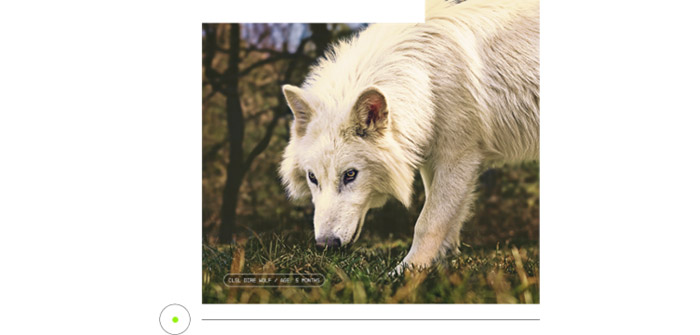
In the cutting-edge laboratories of Colossal Biosciences, scientists are unlocking secrets from the ancient past that could reshape our understanding of extinct species like the dire wolf. This Texas-based biotechnology company has captured the imagination of the scientific community with its ambitious research into de-extinction technologies that may one day bring back versions of long-lost species.
Revolutionary Genetic Techniques
At the heart of Colossal’s research is the sophisticated use of CRISPR gene editing technology. This revolutionary tool allows scientists to precisely modify genetic sequences, potentially reconstructing the genetic profile of extinct animals like the dire wolf (Aenocyon dirus) by comparing them with their closest living relatives.
The technology combines ancient DNA analysis with modern genomic tools in ways that weren’t possible even a decade ago. The process involves not just reading fragmentary genetic code from extinct animals but developing methodologies to bring aspects of their genetic heritage back into the modern world.
The dire wolf, which went extinct approximately 13,000 years ago, represents one of the most fascinating candidates for this genetic research. Unlike today’s gray wolves, dire wolves were a distinct lineage that evolved separately in the Americas for millions of years, making them a unique part of North America’s prehistoric ecosystem.
From Ancient DNA to Modern Applications
The process begins with extracting DNA fragments from well-preserved dire wolf fossils. These tiny genetic remnants provide crucial insights into the species’ genetic makeup, though they represent only pieces of the complete puzzle.
Ancient DNA presents extraordinary challenges for researchers. The genetic material is incredibly fragmented and degraded after thousands of years. The scientific approach resembles reconstructing a million-page book when only random sentences from every twentieth page remain intact. However, advanced computational methods enable increasingly accurate predictions about the missing information.
Colossal employs a team of bioinformaticians who utilize machine learning algorithms to fill in the gaps of the dire wolf genome. By comparing these fragments with the genomes of modern canids, including gray wolves, coyotes, and domestic dogs, they can make educated predictions about the complete genetic blueprint of these ancient predators.
Beyond Resurrection: The Broader Impact
While the prospect of bringing back dire wolf traits captures headlines, the technologies being developed at Colossal Biosciences have far-reaching applications beyond de-extinction itself.
The techniques developed for the dire wolf project have immediate applications for endangered species conservation. The research creates a genetic rescue toolkit that could help preserve biodiversity in the face of the current extinction crisis.
These tools include methods for preserving genetic diversity in dwindling populations, techniques for assisted reproduction in endangered species, and genetic interventions that might help vulnerable animals adapt to changing environmental conditions.
The Journey Ahead
The path from laboratory research to a living organism carrying dire wolf traits remains long and complex. Colossal Biosciences emphasizes that its goal isn’t to create exact replicas of prehistoric creatures but rather to restore key genetic traits and ecological functions that were lost when these species disappeared.
The scientific approach is nuanced and measured—far from Hollywood portrayals of de-extinction. The aim is to work toward creating an animal that carries the core genetic adaptations that made dire wolves unique ecological actors in their environment, essentially an ecological proxy rather than an exact duplicate.
This approach reflects the company’s science-based philosophy and recognition of the complex considerations surrounding de-extinction technologies.
As Colossal Biosciences continues to advance its dire wolf research, the scientific community watches with keen interest. Whether or not these efforts ultimately lead to an animal carrying dire wolf traits roaming North America again, the knowledge gained and technologies developed along the way are already expanding our understanding of genomics, evolution, and conservation in profound ways.
The dire wolf’s genetic secrets, locked away for thousands of years, may yet help us face the biodiversity challenges of the future—a fitting legacy for an iconic predator of America’s prehistoric past.