

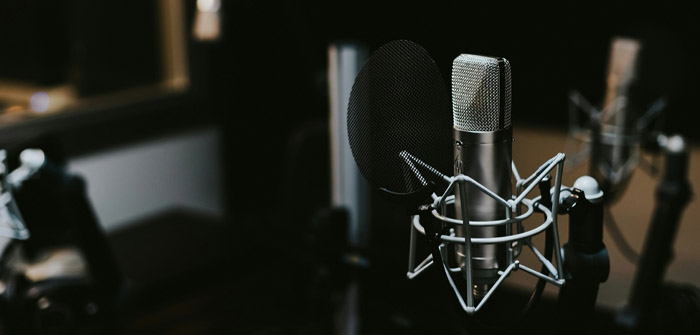
The podcast format looks simple from the outside. Two people, a microphone, a topic. What separates a show that sounds like a conversation from one that feels like one is a set of production decisions most listeners never consciously notice. That invisibility is the goal.
Greg Soros has spent more than a decade at the intersection of craft and technology in audio production. He’s watched the tools available to producers expand dramatically, and learned, often through direct trial, which advances actually change what a listener experiences and which ones just add friction to the production process.
Production Decisions Filtered Through Listener Experience
The pull toward novelty is real in any creative field. New recording technology, editing software, and AI-assisted audio tools arrive constantly. The discipline lies in knowing which advances actually change what listeners hear.
Greg Soros applies a listener-first filter to every production decision. Technical impressiveness is a secondary consideration. What matters is whether the approach makes the audio cleaner, the story tighter, or the listening experience less effortful. Tools that meet those standards are worth adopting. The ones that don’t are worth skipping, regardless of the buzz around them.
In practice, his studio maintains a core set of high-confidence techniques that have proven durable and concentrates development on refining them. Less testing of new processes. More investment in executing the existing ones well.
Where Technology Meets the Craft of Sound Design
Sound design is one area where the available tools have genuinely expanded what producers can achieve. Creating immersive audio environments, layering ambient texture, and blending conversation with original composition are all more accessible now than they were five years ago. A production that once required a full studio budget can be built at a high standard in a well-equipped home setup.
Better tools haven’t changed what makes sound design effective. The fundamentals are still restraint, intentionality, and a clear sense of how each audio element serves the story. Overcrowded sound pulls listeners out of the content. The best soundscapes are felt without being noticed. Technology raises the ceiling. Craft is what gets you there.
Staying Ahead of Where the Format Is Going
Podcasting is still a young medium, and its formats are still evolving. Long-form narrative, short-form audio, video podcasts, interactive episodes, and AI-generated content are all developing simultaneously, each pulling at different parts of the audience and the production workflow. Tracking every shift would be a full-time job with nothing left for actual making.
Greg Soros takes a selective approach to format evolution. Producers who adapt well tend to have a clear sense of what they do well and who their audience is. From that grounding, recognizing which shifts are worth following and which are noise becomes a question of judgment rather than a bandwidth problem. The producers who last longest in this medium tend to have built something with enough staying power that new formats had to adapt to their work, not the other way around.