

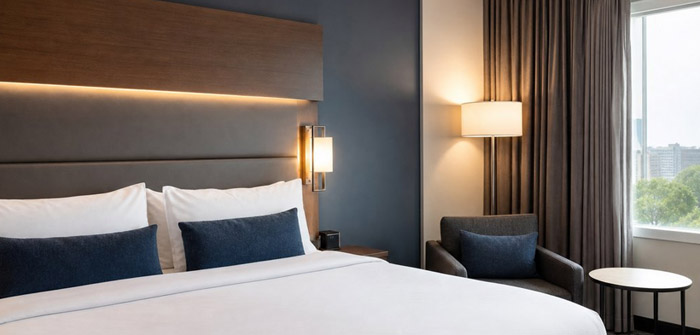
A hotel’s paint job isn’t just about filling space. It affects the vibe in the lobby, the perception of cleanliness in a room, how easy it is to keep hallways clean, and whether a renovation is disruptive. Commercial interior painting for hotels requires a lot more consideration than repainting a regular office or store, since the building is occupied constantly by guests, staff, and maintenance workers.
The best commercial painting jobs for hospitality properties manage the look and feel of the building while keeping in mind the timing, durability, safety, and day-to-day operations of the building. A good finish will last long after the contractors leave.
Match Every Finish to the Guest Experience
Guests are quick to notice when something doesn’t look right in a hotel room, even if they don’t know what it is. Cracked, faded, patched-up, or otherwise imperfect walls can make a property feel run-down. Conversely, clean finishes can give a room or common area a more curated appearance.
Interior finishes should take into account how each space will be used. For instance, a bedroom may need a low-sheen finish, while a lobby should be able to withstand luggage, carts, shoes, and frequent cleaning. Different areas of the hotel, like hallways, elevators, banquet rooms, washrooms, and service spaces, all require different types of finishes.
It’s also important to ensure colour consistency across multiple walls. Check this page https://www.nature.com/subjects/colour-vision for more info. Patches of different shades can show up on walls under different lighting conditions. Make sure you document what types of paint, sheen, and colours were used on the walls. This will make future maintenance easier.
Schedule Work Around Occupancy and Room Use
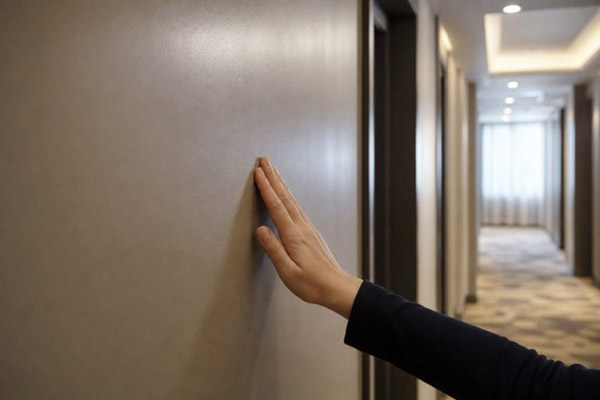
Many hotels aren’t able to shut down large portions of the building for painting. In these cases, it’s best to divide up the work and set strict boundaries for where painting is being done and where guests can safely move about the building.
A thorough scope should include:
- The number of rooms available, and the number currently occupied
- Noise, odour, and air circulation considerations
- Access by housekeeping and maintenance teams
- Furniture moving and surface protection needs
- Egress and accessibility requirements
- Coordination with other contractors
The schedule should include details on which areas will be unavailable during the project and when those areas will reopen. A poorly planned schedule can lead to costly mistakes if paint is applied before repairs are completed or before walls have dried out completely.
If certain areas need to be open quickly after painting, discuss the type of paint and curing times with the painter beforehand. If a room requires a 24-hour cure before re-occupancy, this can impact when furniture, decorations, and guests will be allowed back into the room.
Prepare Surfaces Before Choosing the Final Finish
Paint is only as good as the surface it’s applied to. Hotels often have areas that have suffered damage due to moisture, wall damage, or previous repairs, and it may not be obvious until the paint is applied. If prep work is skipped to save time, it will likely lead to peeling, flashings, uneven textures, and patchwork at a later date.
This might mean cleaning walls, filling holes, sanding rough spots, sealing stains, caulking joints, and applying primer to patched sections. It is especially important to check the surface in kitchens, restrooms, and other areas with higher levels of moisture (know more about moulds here). It is unglamorous work, but a good paint job starts there.
Select Finishes for Cleaning and Daily Wear
Guest rooms and corridors are high-traffic spaces. People lean on walls, carts hit baseboards, and housekeepers scrub surfaces. It makes sense to use paints that are easy to clean and don’t need to be recoated as often. Higher-sheen paints show imperfections, while lower-sheen paints may not be suitable for high-traffic areas.
Depending on how the light hits the walls, how often they will be cleaned, and what the overall aesthetic is, you can decide which type of finish will work best for the space. You should also consider how long the finish will last. If a finish is perfect for day one but will need to be repainted after a year, it may cause more problems than it solves.
Treat Vinyl Wall Covering Installations as a Separate Trade
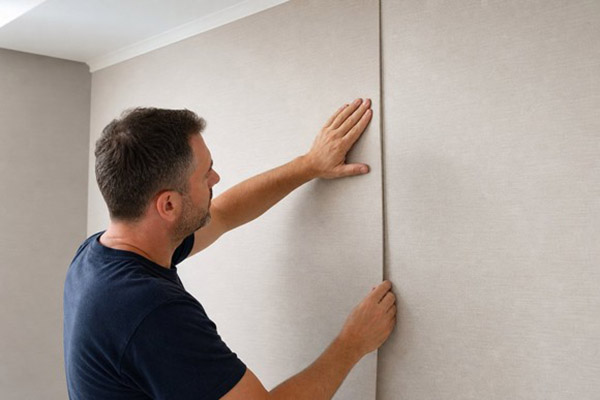
Vinyl wall coverings can add character, texture, and durability to a space. They can be applied to guest rooms, corridors, elevators, lobbies, conference rooms, or anywhere that needs a pop of colour or a unique look. However, vinyl wall coverings must be properly installed to ensure that they last and look great. Walls should be smooth, clean, and primed prior to installation.
Seams should be aligned neatly, and corners and other difficult spaces should be covered with care. If the walls underneath the vinyl are not properly prepared, bubbles, peeling, or cracks could occur. If a vinyl wall covering needs to be replaced, the removal process should be considered before deciding on a new design. If the current adhesive will be difficult to remove, additional preparation may be required to install the new wall covering.
Define Responsibilities and Inspect the Finished Work
Clear communication between the owner and contractor can make or break a project. Working with a Calgary hotel painting contractor can help ensure everyone knows who is responsible for access, room readiness, moving furniture, protecting contents, inspections, and touch-ups. Any misunderstandings about these items can slow down the work on an entire floor. Walk through the space with the contractor before work begins. Identify damaged areas, existing stains, custom finishes, restricted areas, and any rooms that need to be prioritized. Walk through the space again toward the end of the project to verify that any touch-ups, trim lines, and repaired areas are up to expectations.
Document the Work Order Before Approval
Interior painting does not need to impact the whole hotel, but it does need a strategy. Focus on the most visible areas, choose the appropriate paint type, and prepare the surfaces accordingly. This can help ensure that your work will stand the test of time. Before approving the work order, go through each affected space and document any needed repairs, limited access, or areas that cannot be taken out of commission.