

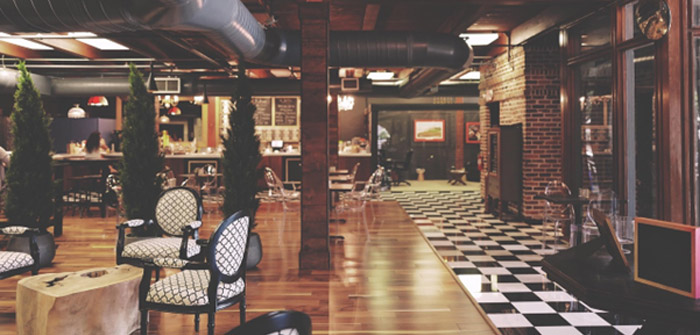
One of the most interesting homes is rarely the one filled with furniture bought all at once. The spaces that feel warm, confident and memorable usually combine different eras, finishes and silhouettes in a way that looks thoughtful rather than overly styled. That balance between old and new is what gives a room depth. It stops a space from feeling like a showroom, but it also keeps it from tipping into cluttered, hand-me-down chaos.
The challenge, of course, is making that mix look intentional. A vintage cabinet beside a contemporary sofa can feel beautifully layered in one room and completely random in another. The difference comes down to restraint, rhythm and knowing how to create common ground between pieces that come from different design worlds. Even practical additions such as timber side tables can help bridge that gap, bringing warmth and familiarity into a room that combines modern lines with older, character-filled pieces.
Start With a Dominant Direction
Mixing old and new does not mean every item should compete equally for attention. The easiest way to make a room feel cohesive is to choose one overall design direction, then layer contrasting pieces into it.
For example, you might start with a mostly contemporary foundation: a clean-lined sofa, simple rug, modern lighting and minimal window treatments. From there, an antique chest, a vintage armchair or an older-style mirror can bring personality into the room. Alternatively, you might begin with a home rich in traditional features and introduce sleeker, more modern pieces to freshen it up.
This gives the space a clear point of view. Without that foundation, a room can start to feel like a collection of unrelated furniture rather than a deliberate composition.
Look for a Common Thread
Furniture from different eras can work surprisingly well together when something ties them together. That connection might be colour, material, shape, scale or even mood.
A mid-century sideboard and a modern boucle chair may not seem obvious together, but if both have soft curves and warm timber tones, they can feel naturally related. A traditional dining table can sit comfortably with contemporary chairs if there is consistency in proportion or finish. A sleek modern bedhead can also work alongside vintage bedside pieces when the palette across the room remains calm and cohesive.
This common thread is what helps the eye make sense of the contrast. Rather than seeing “old” and “new” as separate categories, the room begins to read as one complete story.
Avoid Splitting the Room Into Eras
One of the biggest mistakes people make is grouping all the old furniture on one side of the room and all the new furniture on the other. This tends to exaggerate the contrast and make the space feel unbalanced.
Instead, aim to distribute the styles throughout the room. Let an older piece sit next to something modern. Repeat materials, tones or finishes across the space so the mix feels integrated. A vintage timber coffee table can speak to a modern dining table if similar warmth appears elsewhere in the room through shelving, frames or occasional furniture.
When styles are interwoven, the room feels layered. When they are separated, it feels accidental.
Let One Piece Be the Conversation Starter
Every well-balanced room benefits from one piece that brings real character. In spaces that mix old and new, this is often where a vintage or older item shines best. It might be an ornate mirror in a streamlined hallway, a timeworn sideboard in an otherwise minimal dining room, or a classic armchair reupholstered in a more current fabric.
Giving one piece that starring role helps the room feel intentional because it suggests the contrast is part of the design, not an afterthought. The newer pieces then support it rather than fight it.
Not every item needs to be unique. In fact, when everything tries to be special, the room can quickly become noisy. One statement piece, supported by quieter pieces around it, is usually far more effective.
Pay Attention to Scale and Proportion
Style is only one part of the puzzle. Scale matters just as much. A delicate antique occasional chair can disappear next to an oversized modular sofa. A bulky traditional cabinet can overpower a sleek contemporary apartment if nothing else in the room has enough presence to balance it.
Mixing old and new works best when the proportions still speak to each other. That does not mean everything needs to match exactly, but the visual weight of each piece should feel considered. If you are pairing a solid, older timber table with more modern chairs, make sure the chairs still have enough presence to hold their own. If a vintage chest is richly detailed, give it enough breathing room so it does not feel squeezed between larger, heavier items.
Good proportion makes a room feel calm, even when the styles are varied.
Use Texture to Soften the Contrast
Sometimes what makes an old-and-new mix feel jarring is not the style difference itself, but the sharpness of the contrast. Texture can help soften that.
An older timber piece may feel more at home beside a contemporary sofa when layered with a woven rug, linen cushions, ceramic décor or natural stone accents. These tactile elements act as a buffer. They add richness and create a lived-in quality that helps different furniture styles settle into the same space.
Texture is especially useful in modern interiors, which can sometimes feel too crisp on their own. A few aged or organic elements instantly make them feel more grounded.
Don’t Over-Restore Everything
Part of the beauty of older furniture is its patina, irregularity and sense of history. When every vintage or traditional piece is restored to within an inch of its life, it can lose the very character that made it appealing in the first place.
That does not mean you should live with damaged furniture, but it is worth preserving some signs of age where possible. A softened edge, subtle wear in the timber, or a slightly imperfect finish can add authenticity and warmth. These details bring contrast to newer pieces, which often have cleaner lines and more polished surfaces.
The goal is not to make everything look new. It is to make everything look like it belongs.
Repeat Materials Across the Room
Repetition is one of the simplest ways to make mixed furniture feel cohesive. If you have an older timber cabinet in one corner of the room, repeat that timber tone somewhere else, even in a smaller way. If your modern pieces introduce black metal or brushed brass, let that finish appear again through lighting, hardware or décor.
These repeated materials create visual rhythm. They help the room feel connected without making it look overly matched. This is especially helpful when your older pieces are more decorative and your newer pieces are pared back.
Think of repetition as the quiet design work happening in the background. It is not always the first thing people notice, but it is often what makes a room feel pulled together.
Keep the Colour Palette Controlled
Colour can do a huge amount of heavy lifting when mixing styles. If your furniture spans multiple eras, keeping the palette relatively controlled will help the space feel calmer and more resolved.
That might mean sticking to warm neutrals, earthy tones, soft greys, muted greens or off-whites, depending on the look of your home. Rich timber, aged brass, black accents and natural fibres often work well because they can sit comfortably across both traditional and contemporary styles.
A restrained palette allows the shapes and textures of the furniture to stand out without the room becoming visually chaotic. It also makes it easier to introduce a standout vintage piece without making the space feel busy.
Mix Silhouettes, Not Just Time Periods
When people think about mixing old and new furniture, they often focus only on age. But the real magic usually comes from combining silhouettes.
A room becomes more interesting when there is tension between straight lines and curves, structured forms and softer shapes, refined pieces and more relaxed ones. An angular modern sofa can look far more inviting with a rounded vintage lamp table beside it. A classic carved timber console may feel updated when paired with abstract art or a sculptural contemporary lamp.
This interplay of shapes creates design energy. It makes the room feel styled with purpose, not assembled by convenience.
Make Space for Breathing Room
Older furniture often carries more detail, ornament or visual weight than modern pieces. When mixed together, this makes spacing especially important. If too many statement items are crammed into one room, the result can feel cluttered very quickly.
Leave negative space where you can. Let certain pieces stand on their own. Avoid covering every surface with décor just because the furniture itself spans different styles. The room does not need constant explanation. Sometimes a single vintage piece beside a clean modern wall is enough.
Breathing room makes contrast feel sophisticated. Without it, contrast can start to feel messy.
Style the Room as a Whole
Accessories are often what make the final connection between old and new furniture. Art, lighting, books, rugs, cushions and decorative objects help tell the room what it is trying to be.
For example, a traditional chest can feel surprisingly current when styled with a modern lamp and a minimal framed artwork above it. A sleek dining setting can feel warmer and more layered with an old ceramic bowl or antique candlesticks. Styling should not disguise the furniture, but it can absolutely help create harmony between contrasting pieces.
The key is to style across the room rather than around each item individually. That way, the space feels cohesive rather than broken into mini design moments.
Trust Contrast, But Edit Ruthlessly
A room does not need to be perfectly matched to feel beautiful. In fact, the most compelling interiors usually are not. They have contrast, tension and a sense of evolution. But they are also edited. Every piece earns its place.
That is the difference between a room that feels curated and one that feels accidental. Curated spaces are not necessarily expensive, formal or overly polished. They simply show that someone made decisions. They combine old and new furniture with enough discipline that the result feels collected, lived-in and clear.
Mixing eras successfully is less about following strict rules and more about being intentional. Choose pieces that speak to each other. Repeat tones and materials. Balance visual weight. Keep the palette grounded. And most importantly, resist the urge to fill every corner just because you can.
When done well, old and new furniture do more than coexist. They make each other look better. The old pieces bring soul. The new ones bring clarity. Together, they create a home that feels layered, personal and far more interesting than anything bought in one go.

