

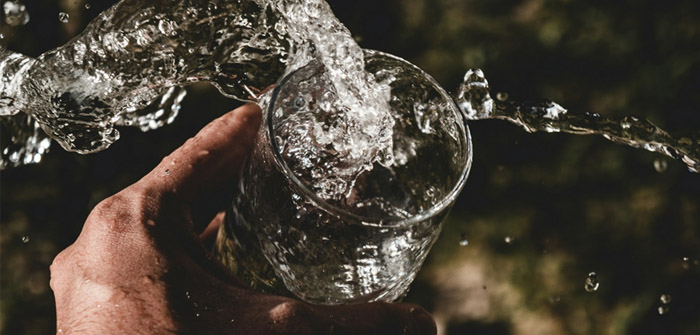
Most people don’t give much thought to hydration until they hit that flat, dusty feeling halfway through the day or finish a session feeling more wrecked than they probably should. Water helps, obviously. But depending on how hard you’ve trained, how long you’ve been moving, and how much you’ve sweated out, water on its own can feel like only half the job. That’s where an electrolyte drink starts to make sense.
Not for every walk around the block, and not because everyone suddenly needs to act like they’re training for an ultramarathon. More because a lot of people are exercising harder, living busier, and realising recovery feels better when they support it properly instead of just hoping a giant bottle of water will sort everything out.
Feeling drained isn’t always about fitness
You can finish a session and assume the heavy, sluggish feeling is simply proof you worked hard. Sometimes it is. Sometimes you’re just under-fuelled, under-hydrated, or a bit off balance afterwards.
Sweat doesn’t only mean fluid loss. You’re also losing electrolytes, and when that starts stacking up, the effects can be surprisingly annoying. Energy feels off. Muscles feel more crampy. Your head feels a bit foggy. You drink water and still don’t quite bounce back.
That’s often the moment people start paying more attention to what recovery actually feels like in practice, not just what it looks like on a fitness app.
The old approach was a bit too simplistic
For years, the general message was pretty blunt: drink more water. Good advice as far as it goes, but it skips over the fact that hydration is a little more nuanced once exercise becomes more intense or more regular.
A short, easy workout in mild weather is one thing. A long run, hot day, tough gym session, team sport, sweaty class, or physically demanding job is another. Lumping all of that together under “just drink water” doesn’t really reflect how bodies work once you’re losing a fair bit through sweat.
People are getting more practical about that now. Less wellness theatre, more “what actually helps me feel normal again?”
Recovery has become part of the routine
There’s been a shift in the way people think about exercise. It’s not only the workout that counts now. Recovery has become part of the whole picture.
That’s probably for the best. Anyone can go hard for an hour and feel heroic about it. The harder part is backing up well enough to do it again tomorrow without feeling ruined. That’s where hydration starts earning more attention.
A lot of active people have worked out through trial and error that feeling decent later in the day matters almost as much as getting through the session itself. If better hydration helps with that, it stops feeling like an optional extra and starts looking more like basic maintenance.
It’s not only for serious athletes
This is where some people switch off too early. They hear “electrolytes” and picture elite sport, expensive kit, and someone measuring their splits at dawn.
In reality, plenty of ordinary people end up depleted enough to notice the difference. You might be doing long gym sessions before work, playing weekend sport, training through summer, walking big distances, cycling, working outdoors, or juggling multiple sessions a week while trying to function like a normal person in between. None of that is especially niche.
The line between “casual exercise” and “actually, I need to recover properly from this” is blurrier than people think.
Taste matters more than people like to admit
Hydration advice always sounds very sensible until you remember that people are much more likely to drink something they actually enjoy.
That’s one reason sports drinks and hydration mixes have stuck around. Not everyone wants plain water after a sweaty session, especially if they’re already a bit depleted. A drink that tastes good and feels refreshing has a much better shot of being finished than one that feels like a chore.
No one needs to pretend flavour is some embarrassing side issue. If enjoyment makes consistency easier, that’s useful.
Modern fitness culture is less obsessed with punishment
There’s also been a broader shift away from the old “suffer now, collapse later” mindset. People still train hard, but more of them want to do it in a way that doesn’t leave them cooked for the rest of the day.
That change shows up in all sorts of ways: better sleep habits, more attention to protein, more interest in mobility and recovery, and a more grown-up attitude to hydration. It’s less about proving toughness and more about staying functional.
A decent workout should leave you worked, not wiped off the map.
Hot weather changes the equation pretty quickly
This part tends to hit home in Australia faster than in a lot of places. Train in heat, humidity, or even just a run of warm days, and hydration can become a much bigger issue without much warning.
You don’t need to be doing anything extreme either. Normal training in unpleasant weather can be enough to tip someone from “a bit tired” into “why do I feel terrible?” If you’ve ever finished a session properly salty, headachy, or weirdly flat, you already know the feeling.
People who stay active through summer usually get a lot less casual about hydration once they’ve had that lesson once or twice.
The goal isn’t optimisation for the sake of it
There’s always a risk with fitness culture that everything turns into over-analysis. Suddenly every sip has to be strategic and every workout comes with a recovery spreadsheet.
Most people aren’t looking for that. They just want simple habits that help them feel better and perform more consistently. Better hydration falls neatly into that category. It’s practical. It’s easy to notice when it helps. It doesn’t require turning your life into a science project.
For many active people, that’s reason enough to take it seriously.
A small change can make exercise feel more sustainable
That’s really the appeal. Not a dramatic transformation. Not some miracle formula. Just a better chance of finishing a hard session and feeling reasonably human afterwards.
When recovery improves, training tends to feel easier to maintain. You’re less likely to drag yourself through the next session half-recovered and slightly annoyed. You’re less likely to mistake dehydration for burnout. You’re more likely to keep the whole routine going because it fits your life better.
That’s a pretty good return from paying a bit more attention to what’s in the bottle.