
Most supply chain disruptions do not begin with a major crisis. They start with small issues that receive little attention until they create a much larger problem. A missing inventory record, a supplier that quietly falls behind schedule, or a maintenance issue that keeps getting pushed to next month can suddenly affect production, shipments, and customer commitments.
Many companies spend time preparing for large-scale events such as severe weather or transportation delays. Those risks deserve attention, but day-to-day operational weaknesses often cause the disruptions businesses deal with most frequently. The challenge is that these problems develop in the background. By the time someone notices them, orders may already be delayed, products may be unavailable, or customers may be looking elsewhere. Understanding where these risks hide is the first step toward building a more reliable and resilient supply chain.
Product Quality Issues That Spread Quickly
Quality problems rarely stay isolated. A single issue involving raw materials, storage conditions, packaging, or contamination can affect large portions of inventory within a short period. Once products enter the distribution process, identifying and containing the problem becomes much more difficult. Businesses that handle food products, ingredients, grains, or packaged goods face additional challenges because quality concerns can lead to regulatory issues and damaged customer trust. Regular inspections help reduce risk, but companies should also evaluate storage practices, environmental conditions, and monitoring procedures. In some situations, commercial pest fumigation becomes necessary when stored-product pests threaten inventory quality and create a risk of contamination. Early intervention prevents product losses from growing into larger operational and financial problems.
Inventory Records That Don’t Match Reality
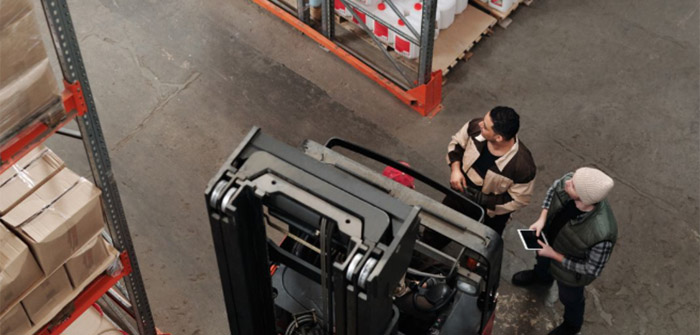
Inventory accuracy affects every part of the supply chain, yet many businesses still rely on information that does not fully reflect what is actually sitting on warehouse shelves. A product may show as available in the system while the physical inventory is missing, damaged, or located in the wrong area. These mistakes often remain hidden until an order needs to be shipped quickly. At that point, teams scramble to find products, adjust schedules, or explain delays to customers. Small inventory errors can also create purchasing problems. Companies may reorder products they already have or fail to restock items that are running low. Regular cycle counts, barcode tracking, and clear inventory procedures help reduce these issues before they create larger operational disruptions.
Compliance Gaps That Surface Too Late
Many supply chain leaders think about compliance when an audit approaches. That mindset creates unnecessary risk. Compliance issues often develop months before they are discovered. Missing records, outdated procedures, incomplete training logs, and inconsistent inspections can all create problems during a regulatory review. In industries that handle food, ingredients, pharmaceuticals, or consumer products, documentation matters just as much as operational performance. Auditors often want proof that procedures were followed consistently. A company may be operating responsibly but still face challenges if records are incomplete. Regular internal reviews help identify weaknesses before they become larger concerns. Businesses that treat compliance as an ongoing process tend to respond more quickly to audits, customer requests, and regulatory changes without disrupting daily operations.
Cyber Threats With Real-World Consequences
Supply chains rely heavily on digital systems. Inventory management platforms, warehouse software, transportation tracking tools, purchasing systems, and customer portals all support daily operations. When one of these systems becomes unavailable, business activity can slow down quickly. Cybersecurity incidents do not only affect data. They can prevent employees from accessing inventory information, processing orders, scheduling shipments, or communicating with suppliers. Many companies focus on protecting their own systems but overlook risks introduced through third-party vendors and service providers. Reviewing vendor security practices is becoming an important part of supply chain management. Strong password policies, employee training, software updates, and backup systems help reduce exposure. These practical measures support operational continuity when technology-related disruptions occur.
When Key Employees Walk Away
People hold a surprising amount of operational knowledge. Experienced employees often understand supplier relationships, inventory procedures, equipment requirements, and customer expectations better than any written document. Problems arise when that knowledge exists only in one person’s head. A retirement, resignation, illness, or extended absence can leave teams struggling to maintain normal operations. This risk becomes even greater during periods of labor shortages. Cross-training helps reduce dependency on individual employees by spreading knowledge across multiple team members. Clear documentation also improves consistency and makes onboarding easier for new hires. Businesses that invest time in knowledge sharing tend to recover faster from staffing changes. They create stronger operational stability because important processes remain accessible regardless of who is available on a given day.
Supply chain disruptions rarely happen without warning. Most develop from operational weaknesses that remain unresolved for too long. Inventory inaccuracies, supplier challenges, compliance gaps, transportation delays, cybersecurity risks, staffing issues, and recurring maintenance concerns all have the potential to interrupt business operations. Companies that actively monitor these areas gain a clearer understanding of where vulnerabilities exist and how they can be addressed. Strong supply chain management depends on visibility, preparation, and consistent follow-through. Businesses that identify risks early place themselves in a better position to protect inventory, maintain customer confidence, and keep products moving through the supply chain even when unexpected challenges arise.