

If you asked most people which profession would become one of America’s greatest pathways to entrepreneurship for women, residential real estate probably wouldn’t be their first answer.
It should be.
For more than a century, residential real estate has quietly created entrepreneurs, business owners, investors and community leaders. Along the way, women transformed not only who practiced the profession, but what the profession could become.
When the National Association of REALTORS was founded in 1908, its membership was entirely male. Two years later, Seattle broker Corrine Simpson became its first female member. Progress came slowly. Many local real estate boards excluded women, leading them to create organizations of their own, including the Women’s Council of REALTORS, founded in 1938.
The numbers tell an important story.
In 1949, 98 percent of REALTORS were men. By 1978, women had become the majority of REALTORS. In 1996, they became the majority of broker licensees, reflecting not only greater participation in the profession, but increasing ownership of brokerages, businesses and leadership positions.
If you’ve spent enough time in this business, the reasons become pretty clear.
Residential real estate rewarded something many traditional careers of the time often did not. It rewarded initiative, perseverance, relationships, trust and the willingness to build something of your own.
Success wasn’t guaranteed. Every client had to be earned. Every reputation was built one relationship at a time. But for those willing to take the risk, the profession offered something different. An agent could become a broker. A broker could build a company. A business owner could mentor others, invest in real estate, acquire land and create opportunities that extended well beyond a single career.
For me, that story isn’t just history. I grew up watching it unfold.
One woman who exemplified that opportunity was my mother, Lawnae Hunter.
She earned her California real estate license in 1968 at the age of nineteen as a young single mother determined to build a future. She went on to found Prudential Hunter Realty, growing it into the largest real estate company on California’s Central Coast and in Santa Barbara County. Her leadership earned her Woman of the Year honors in both California and Oregon, along with countless awards and accolades recognizing her contributions to the real estate industry, civic leadership and economic development. She also served as a Planning Commissioner for the City of Santa Maria, California, and later as a member and Chair of the Oregon Real Estate Board, helping shape both her profession and the communities she served.
What I admired most, however, wasn’t the recognition. It was her philosophy.
She believed real estate was one of the greatest tools for long-term wealth creation available to everyday people. She also believed it gave women something just as valuable: the opportunity to build businesses of their own while helping others do the same.
She viewed success as more than building a brokerage. It meant investing in land, creating opportunities for others, strengthening communities and leaving the profession better than she found it. Looking back, I realize those values shaped not only my career, but the way I define success today.
I don’t remember talking about commissions or sales volume. I remember conversations about helping families build wealth through homeownership, investing in land, creating financial independence and recognizing opportunity where others saw uncertainty. Those conversations taught me that real estate is never just about property. It is about people, possibility and the responsibility that comes with helping others make life-changing financial decisions.
I’ve never believed our job is simply to sell real estate. Our responsibility is to help people make thoughtful decisions about one of the most important assets they’ll ever own.
Behind every home, investment property or parcel of land is a person, a family or a business making one of the biggest financial decisions of their lives. At its best, this profession isn’t measured by transactions. It is measured by the lives we influence, the businesses we help build and the communities we strengthen.
That is why I believe residential real estate is one of the most influential professions in American business.
It creates opportunities for clients.
It creates opportunities for entrepreneurs.
It creates opportunities for future generations.
And perhaps most importantly, it creates opportunities for people to create opportunities for others.
There is still work to do. Women remain underrepresented in executive leadership positions and in sectors such as commercial real estate. Even so, residential real estate deserves greater recognition as one of America’s most important and often overlooked stories of entrepreneurship.
Looking back, I realize the most valuable lessons I learned about real estate had very little to do with property.
They were lessons about seeing opportunity where others saw obstacles. About understanding that wealth is built over time through thoughtful decisions. About recognizing that success means very little unless it creates opportunities for someone else.
That may be the greatest legacy women have created in residential real estate.
They didn’t just build successful careers.
They built businesses.
They created wealth.
They strengthened communities.
And in doing so, they redefined the business of real estate, transforming it into one of America’s greatest pathways to entrepreneurship, leadership and opportunity.
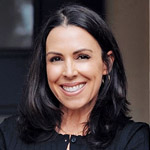
Christin J Hunter is a principal broker with The Agency Bend and a Central Oregon real estate advisor and market strategist specializing in residential, investment, and evolving market trends.