

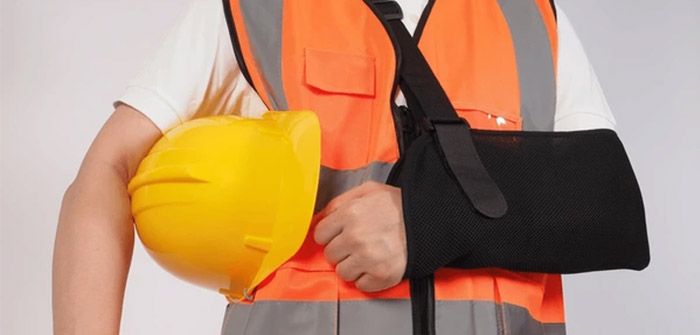
Construction work involves heavy machinery, elevated surfaces, electrical systems, moving materials, and work areas that change from one day to the next. When these conditions are not properly managed, a routine task can turn into a life-changing injury. Falls, falling objects, equipment failures, electrical contact, and trench collapses are behind many of the most serious construction accidents.
The numbers show how real these risks are. According to the U.S. Bureau of Labor Statistics, construction and extraction workers suffered 1,032 fatal injuries in 2024, roughly one in five of the 5,070 workplace deaths recorded nationwide that year.
The Houston area has a large and active construction industry, with residential, commercial, industrial, and infrastructure projects underway throughout the region. As these projects grow, so does the number of workers exposed to these hazards. Understanding how construction accidents in Houston happen can help employers, contractors, and workers recognize dangerous conditions and take steps to reduce them.
Falls From Roofs, Scaffolds, and Ladders
Falls are the leading cause of death in construction. OSHA reports 389 fatal falls to a lower level out of 1,034 construction fatalities in 2024. Workers regularly spend time on roofs, scaffolds, ladders, aerial lifts, and unfinished floors, often near open edges.
Under OSHA’s fall protection standard, workers on most construction surfaces with an unprotected side or edge 6 feet or more above a lower level must be protected by a guardrail system, a safety net, or a personal fall arrest system. Floor openings and skylights must also be covered or guarded.
Falls often happen when one of these protections is missing or misused:
- Guardrails removed for a task and never replaced
- Floor holes or skylights left uncovered
- Ladders that are unsecured, damaged, or the wrong height for the job
- Harnesses that are not tied off, or are tied to anchor points that cannot hold a fall
Even a fall of a few feet can cause broken bones, traumatic brain injuries, spinal cord damage, or internal injuries.
Struck-By Accidents: Falling Objects, Swinging Loads, and Moving Vehicles
Construction sites often have vehicles, cranes, power tools, building materials, and other equipment moving through limited spaces.
A worker can be struck by a falling tool, a swinging crane load, a backing dump truck, or a piece of mobile equipment. Materials that are not secured on upper floors or scaffolds can fall and injure people working below, which is why hard hats, toe boards, debris nets, and barricaded drop zones matter.
Clear communication between workers and equipment operators is especially important. Spotters, designated work zones, backup alarms, high-visibility clothing, and proper material storage all help reduce struck-by risks.
Electrical Hazards and Power Line Contact
Electrical dangers can come from temporary wiring, unfinished electrical systems, damaged extension cords, energized equipment, and overhead power lines.
Contact with an electrical source can cause burns, shocks, falls, severe internal injuries, or death. Workers do not have to touch an exposed wire directly to be hurt. A crane boom, dump truck bed, metal ladder, or length of conduit that touches or comes too close to an energized line can carry current to anyone in contact with it.
Because of this risk, OSHA’s power line safety rule for cranes requires employers to determine, before work begins, whether any part of the equipment or load could get closer than 20 feet to a power line. If it could, the employer must de-energize and ground the line, keep a 20-foot clearance, or maintain a minimum distance based on the line’s voltage. Training, inspections, grounding, and lockout procedures are also essential parts of electrical safety.
Trench Collapses and Excavation Hazards
Trenching and excavation work is particularly dangerous because soil walls can collapse with little or no warning. OSHA identifies cave-ins as the greatest risk to workers’ lives in trenches, and a worker who is buried may have very little time to be rescued.
Federal rules set specific requirements for this work:
- Protective systems: Trenches 5 feet deep or more generally need sloping, benching, shoring, or a trench box, unless they are dug entirely in stable rock (29 CFR 1926.652).
- Safe exits: Trenches 4 feet deep or more need a ladder, ramp, stairway, or other safe exit within 25 feet of lateral travel for workers (29 CFR 1926.651).
- Spoil piles: Excavated soil, materials, and equipment must be kept at least 2 feet back from the edge.
- Daily inspections: A competent person must inspect the trench before each shift, as needed during work, and after rainstorms or other events that increase the hazard.
Heavy rain can quickly change soil conditions, so a trench that was safe in the morning may not be safe that afternoon.
Heavy Equipment and Machinery Failures
Heavy equipment can cause serious injuries when it is improperly operated, poorly maintained, or defective.
Construction workers may operate excavators, forklifts, cranes, loaders, saws, and other machinery. Mechanical failures, missing guards, or inadequate training can lead to crushing injuries, amputations, rollovers, and “caught-in or between” accidents, where a worker is pinned between equipment and a wall, a load, or another machine.
Maintenance logs, inspection reports, and training records often become important after an accident because they can show whether equipment was properly maintained and whether workers received appropriate instruction. When a machine fails because of a design or manufacturing defect, the manufacturer or distributor may also share responsibility.
Who May Be Responsible for a Construction Accident?
A construction accident is not always caused by one person or company. A single project may involve property owners, general contractors, subcontractors, staffing agencies, equipment rental companies, and manufacturers, each with different safety responsibilities.
In Texas, the answer to who may be held responsible depends heavily on workers’ compensation coverage:
- Workers’ comp is optional for most private employers. Unlike most states, Texas lets most private employers choose whether to carry workers’ compensation insurance. Employers who opt out are known as “nonsubscribers.”
- Covered employers are generally protected from lawsuits. When an employer carries coverage, workers’ comp benefits are usually the injured worker’s exclusive remedy against that employer. One exception allows a surviving spouse or heirs to seek exemplary damages in certain fatal cases involving gross negligence.
- General contractors may extend coverage to subcontractors. Under Texas Labor Code § 406.123, a general contractor can agree in writing to provide workers’ comp coverage for a subcontractor’s employees, which can make the general contractor the “employer” for workers’ comp purposes.
- Nonsubscribers lose key defenses. If the employer has no coverage, an injured worker can sue for negligence, and the employer cannot argue that the worker was partly at fault, assumed the risk, or was hurt by a co-worker’s negligence.
- Third parties can still be liable. Even when workers’ comp applies, an injured worker may bring a claim against a third party, such as another contractor or an equipment manufacturer. The workers’ comp carrier is generally entitled to be reimbursed from that recovery for benefits it paid.
- Property owners have special protection. Under Chapter 95 of the Texas Civil Practice and Remedies Code, a property owner is usually liable to a contractor’s employee only if the owner controlled how the work was performed and actually knew about the danger but failed to adequately warn.
Determining what happened may require reviewing contracts, insurance agreements, safety records, photographs, witness statements, inspection reports, and other evidence.
Important Deadlines After a Construction Injury in Texas
Texas law sets firm deadlines that can affect an injured worker’s options:
- 30 days to notify the employer of the injury (Texas Labor Code § 409.001)
- One year to file a workers’ compensation claim with the Texas Division of Workers’ Compensation (§ 409.003)
- Two years, in most cases, to file a personal injury lawsuit, or two years from the date of death for a wrongful death claim (Tex. Civ. Prac. & Rem. Code § 16.003)
Missing one of these deadlines can limit or eliminate a claim, so it is important to act early.
Why Prompt Investigation Matters
Construction sites can change quickly after an accident. Equipment may be repaired or removed, damaged materials may be hauled away, and work areas may be altered as the project moves forward.
Employers must report serious incidents to OSHA: a work-related death within 8 hours, and an in-patient hospitalization, amputation, or loss of an eye within 24 hours. An OSHA inspection may follow, but its findings are only one piece of the picture.
Photographs and videos taken soon after an incident can help preserve the condition of the site. Witness statements are also valuable because memories fade and co-workers may move to other job sites as time passes.
Key Takeaways
- Construction and extraction workers accounted for about one in five U.S. workplace deaths in 2024.
- Falls, struck-by accidents, electrical contact, and trench collapses are among the most serious construction hazards.
- OSHA sets specific rules for fall protection at 6 feet, trench protection at 5 feet, and crane clearance near power lines.
- Defective equipment, poor maintenance, and inadequate training can contribute to accidents.
- In Texas, workers’ comp coverage, nonsubscriber status, and third-party involvement all shape who may be held responsible.
- Strict deadlines apply, including 30 days to report an injury to the employer.
- Accident scenes change quickly, making early evidence preservation important.