

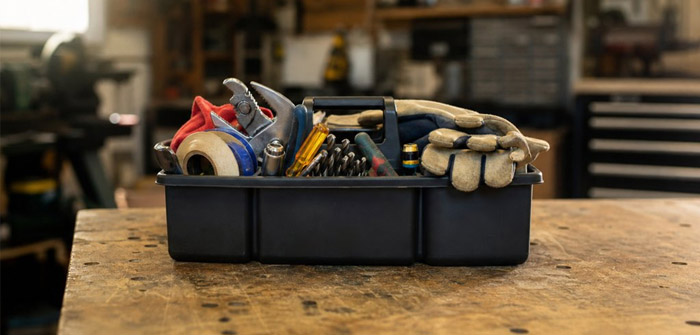
Small shop tools and supplies
A Monday morning reveals every flaw in a small shop’s stocking system. There is a customer job that is due Friday, there are empty spots in the drill bit index, and a roll of abrasive discs has been reduced to a cardboard spool. A broken case on the tape measure by the service counter continues to be ignored. The objective isn’t to fully stock every item. It’s to restock the essential items that keep things running smoothly.
Know when it’s really urgent
Usually, a restock is required because an essential item is out of stock, which means a job can’t be finished. A technician has the drill, the charger, and the job card on the bench, but the drill bit needed for a perfect hole is missing. A customer is waiting for a cabinet door that has been repaired. They don’t want you to say that there is a warehouse full of stuff in the back room.
Identify the item that is causing the delay first, then consider items that complement the main problem. If drill bits are moving quickly, add a small refill of the sizes most often pulled from the rack. If measuring tools are disappearing from benches, check if it is due to loss, damage, or a few ongoing jobs. A bent ruler is a sign of trouble.
Focus your order on:
- Replacement drill bits or saw blades for current jobs
- Measuring tools that are in use at the bench or counter
- Abrasives, fasteners, gloves, or other items that are almost out of stock
- A replacement for the item that broke last week
There’s no point restocking if you have a working replacement in the drawer and aren’t in the middle of a job for a customer. A squeaky hinge doesn’t require immediate action, but a dull blade that is needed for a Friday delivery must be replaced immediately.
Get ahead of the spring rush
In the spring, you’ll get a lot of calls to repair fences, garden gates, garden furniture, and outdoor sheds. Even if the price tag on the store shelf lists last year’s stock, there’s probably just one bolt left in the box.
Don’t stock everything. Start with the items you need for the repair jobs that are currently on the bench. If customers are bringing in patio furniture with stripped screws, you should have some screws and replacements ready. If there are repairs on shelves, garden sheds, or window frames, you will need measuring tools and shop supplies. A bag of sandpaper can sell faster than a large, expensive item that sits in the stockroom.
Think about what the customers will ask for and what you will need for the shop before you restock. Working with suppliers like Up Side Down Supply can help you source the right products. This helps ensure that you’re restocking the right things based on the work order and the list of stock that needs to be replenished.
Make a tight budget count
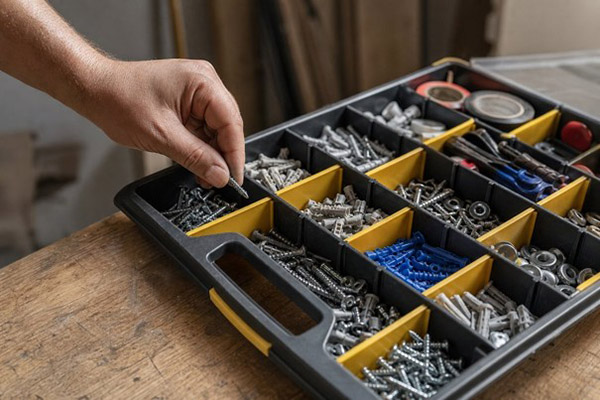
Workshop inventory and measuring tools
With a limited budget – if you want the source, it’s https://www.cnbc.com/select, you’ll have to prioritize. If you only have $250 to spend, start with the items that will have the biggest impact when they run out. A bag of worn drill bits will be more important than an expensive item that has barely sold in years.
Save money on items that don’t sell well. Buy items that are likely to be in demand. This might mean buying consumables, replacing a broken measuring device, and restocking drill bits that sell every day. Don’t forget to check the items on the workbench. The items that are sitting in a cupboard, but haven’t been taken out, can be easy to overlook.
Don’t be lured into buying more stock just because it’s cheap. You won’t need it unless there’s a place to put it and a reason why you’d buy it.
Establish a reorder point for consumables that go unnoticed when they run out. Put a mark on a bin, drawer, or hook where it’s easy to see how many should be left before you need more. Add those items to your next order instead of ordering as soon as you run out. This is particularly helpful for gloves, screws, sandpaper discs, batteries, and tape. It also provides a visual reminder for everyone in the shop, ensuring the responsibility to restock doesn’t fall on one individual.
Additionally, pay attention to the lead time for your suppliers. If a box of screws is cheap but won’t be delivered until the repair is due, you’ll have a problem.
When a part is suddenly out of stock, maintain a list of approved substitutions (size or material) in job notes.
Do one last check
By doing a quick restock review on Monday morning, you can avoid the problem of having to restock on Thursday afternoon. Check the counter, open the drill bit box, check the consumables rack, and check your upcoming jobs.
List the items that you had to replace or buy extra of, and place the order before the delivery is due.