

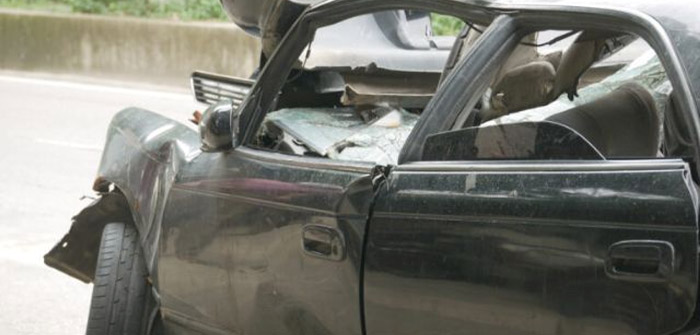
The I-10 Mini-Stack in downtown Phoenix is a challenging interchange because several major traffic routes converge within a relatively compact area. Heavy traffic, merging vehicles, lane changes, and closely spaced ramps can make it difficult for drivers to anticipate surrounding movements. These conditions contribute to Interstate 10 accident risks, particularly when motorists travel too quickly, follow other vehicles too closely, or make last-minute lane changes.
The interchange connects Interstate 10 with Interstate 17 and State Route 51, making it an important route for commuters and commercial traffic. Drivers unfamiliar with its layout may find the multiple ramps and directional changes especially difficult to navigate.
Why the Mini-Stack Can Be Difficult to Navigate
Several factors make this interchange challenging for motorists.
Multiple Merging Points
Drivers entering or leaving the interchange must merge with vehicles already traveling on the freeway. When several vehicles attempt to change lanes within a short distance, the risk of sideswipe and rear-end collisions increases.
Heavy Rush-Hour Congestion
The Mini-Stack experiences significant congestion during morning and afternoon commutes. According to the Arizona Department of Transportation, traffic delays along the broader I-10 corridor could increase by as much as 60% by 2050 if improvements are not made.
Closely Spaced Ramps and Lane Changes
Drivers sometimes need to prepare for exits or connections well in advance. Last-minute decisions can lead to sudden braking, unsafe lane changes, and conflicts with vehicles traveling at highway speeds.
Unfamiliar Road Layout
Visitors and occasional commuters may struggle to identify the correct lanes while approaching the interchange. Looking at navigation screens instead of watching traffic can make the situation even more dangerous.
Common Accidents Around the I-10 Mini-Stack
The interchange’s traffic patterns can contribute to several types of collisions:
- Rear-end accidents: Sudden braking during congestion can cause vehicles to collide.
- Sideswipe accidents: Unsafe merging and lane changes may result in vehicles striking one another.
- Multi-vehicle collisions: Heavy traffic can turn a single collision into a chain reaction.
- Rollover accidents: High speeds, abrupt steering, and loss of vehicle control can contribute to serious crashes.
- Truck accidents: Large commercial vehicles require additional stopping distance and may create visibility challenges when merging.
Arizona Traffic Laws and Driver Responsibility
Drivers must follow traffic laws even when navigating complicated freeway connections. Arizona Revised Statutes § 28-729 requires motorists to remain within a single marked lane as nearly as practicable and ensure that a lane change can be completed safely.
A driver who suddenly moves into another vehicle’s lane without checking may be responsible for a resulting collision. However, accident investigations should consider all contributing factors, including speed, following distance, road conditions, and the actions of other motorists.
How Drivers Can Reduce Accident Risks
A few precautions can make driving through the Mini-Stack safer:
- Identify the correct exit or connecting route before approaching the interchange.
- Maintain a safe following distance, particularly during rush-hour congestion.
- Avoid sudden lane changes or last-minute exits.
- Check mirrors and blind spots before merging.
- Reduce speed when traffic begins slowing down.
- Avoid using a phone or adjusting navigation while driving.
FAQs
- Why is the Phoenix Mini-Stack difficult to drive through?
Heavy traffic, multiple merging points, closely spaced ramps, and frequent lane changes make the interchange challenging, especially during commuting hours.
- Does the Mini-Stack connect multiple highways?
Yes. The interchange connects Interstate 10, State Route 51, and Loop 202 in the Phoenix area.
- Can a driver be responsible for an accident caused by an unsafe lane change?
Yes. A driver who changes lanes without ensuring the movement is safe may be held responsible if that action causes a collision.
Key Takeaways
- The I-10 Mini-Stack connects several major routes in central Phoenix.
- Heavy traffic and multiple merging points create challenging driving conditions.
- Sudden lane changes and abrupt braking can contribute to serious collisions.
- Commercial vehicles may face additional challenges when navigating congested ramps.
- Arizona Revised Statutes § 28-729 requires drivers to make lane changes safely.
Planning routes and maintaining safe following distances can help reduce collision risks.