

Modern vehicles, plants, and utilities are pushing the limits to operate under more pressure, navigating harsher situations and tighter environments. In this context, polymeric tubing has undergone a significant shift in attitude. It’s shifted from alternative to default for many pneumatic, fuel, coolant, and process circuits. It strikes a balance between strength, flexibility, and stability over extended periods of time.
Among all available options, polyamide tubes certainly stand out with low moisture uptake and UV- and heat-stabilised grades. They’re quite robust in safety-critical systems, such as air brakes and fuel lines. PA12 families cover routing requirements with flexible versions, including PHL, PHLY, HIPHL, and HL hardline versions. They don’t sacrifice durability in any of these possible applications.
Safety Advantages Engineered Into Polymeric Materials
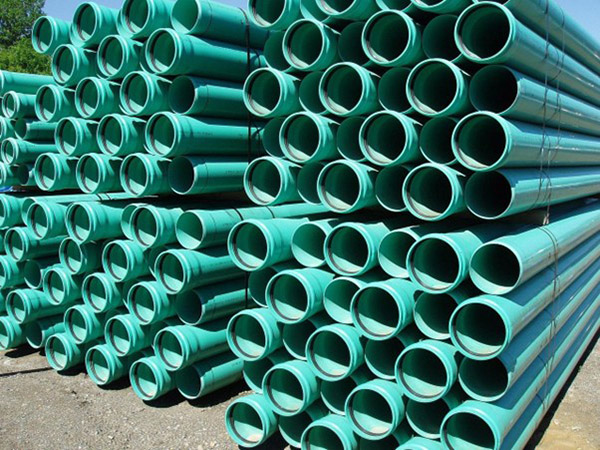
The first step in safeguarding is the use of materials that retain their properties under real-world conditions. Dimensional stability in fittings made from PA12 eliminates creep, shaking, and possible leakage routes. Water absorption is lower in the PA12 material itself. It has a hard surface, and its hardness and resistance prevent wear-through in the densely packed harnesses to abrasion.
Meanwhile, outside runs are facilitated by formulations that are heat and light-stabilised. PA12 air-corrected tube usage in transportation tends to follow SAE J844 and DIN 73378/74324. This approach thus creates equivalent testing and performance standards overall.
Efficiency Gains Enabled by Polymeric Tube Design
Polymeric tubes have a lower mass than metal which simplifies installation and allows for smaller bend radii. This reduces the length of runs and the number of fittings required. A flowing internal bore helps minimise pressure loss. At the same time, anticipated compatibility with push-to-connect fittings facilitates quick assembly and maintenance.
This weight saving is proportional to mass, payload, and fuel savings. In fixed plants, simpler reactions streamline the routing of items, thereby increasing turnarounds. Mobile equipment also benefits from these proportional savings. PA12’s chemical strength and cold toughness persist. Damper uptime improves during seasonal variations and mixed media. Pneumatic automation and fuel processing need this.
What Specifiers Prioritise With PA12
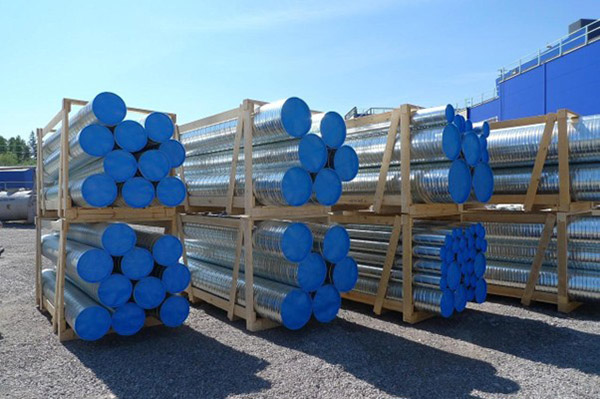
Grade to duty corresponds to effective selection. Flexible PA12 models effectively handle dynamic pneumatic lines. They’ll also handle engine and fuel liquids as well as external work. UV-heat stabilisation is essential at these locations. The rigid HL variant is used for fixed routing and to create tidy vibration-free layouts.
For road vehicles and trailers, it’s a standard procedure to ensure air-brake tubing meets SAE J844 specifications. Vehicle lines must also conform to DIN 73378/74324 specifications for full compliance. Approval is simplified through documented media, including pressure, temperature, minimum bend radius, and abrasion risks, as outlined in drawings. This results in less rework once installation begins.
The Quiet Multiplier
Polymeric tubing, particularly PA12, increases margins in fleets and plants, offering more serviceable and lighter layout possibilities. Individualising stabilised grades aligns them with the environment and media. This transformation turns a small component into a compound benefit that’s impactful across applications. It boosts overall lifecycle reliability and efficiency across all systems.