
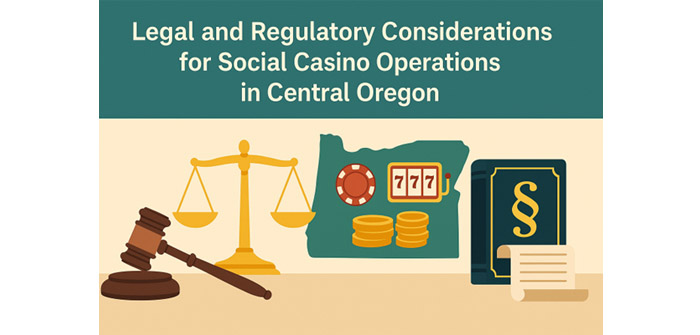
Why Social Casino Regulation Matters in Oregon
In recent years, the rise of social casino gaming has transformed how people engage with digital entertainment. Unlike traditional online casinos, social casinos allow players to spin reels, play poker, or join bingo rooms using virtual tokens rather than real money. Platforms such as sixty 6 casino give users easy access to this style of entertainment. While this model positions social gaming as entertainment, the similarities to gambling raise questions about compliance and oversight.
For entrepreneurs in Bend, Redmond, and across Central Oregon, understanding social casino regulation in Oregon is critical. Whether building a gaming startup, investing in digital platforms, or considering partnerships with tribal casinos or hospitality businesses, the legal landscape shapes both risk and opportunity.
Understanding the Concept of Social Casinos
A social casino is a digital platform, often available as a mobile app or through social media, that replicates the excitement of casino games.
Key features include:
- Virtual currency system: Players receive free coins to start, but can buy more through microtransactions.
- No direct cash payouts: Winnings stay within the game, though sweepstakes models sometimes allow coin redemption for prizes.
- Community focus: Leaderboards, tournaments, and chat features create a social gaming experience.
The blurred line between gaming and gambling creates regulatory challenges. In Oregon, whether a platform is treated as harmless fun or quasi-gambling depends on how closely it resembles real-money wagering.
Current Social Casino Regulation in Oregon
Oregon has one of the more complex gaming environments in the U.S., anchored by:
- The Oregon Lottery Commission which oversees lottery, sports betting, and keno.
- Tribal gaming compacts grant exclusive rights to Native American tribes for casino operations.
- Charitable gaming rules allow nonprofit raffles and bingo under strict guidelines.
Social casinos, however, exist in a gray area. Because players cannot directly cash out winnings, most platforms fall outside traditional definitions of gambling. Yet Oregon gambling laws leave room for interpretation when sweepstakes models enter the picture.
For businesses in Central Oregon, this means:
- Not explicitly banned: Pure entertainment apps without cash payouts are generally permitted.
- Potential scrutiny: If coins or tokens are redeemable for prizes, oversight by regulators could apply.
- Local enforcement: City authorities may monitor advertising and consumer protection issues.
Understanding social casino regulation Oregon therefore requires careful compliance planning.
Federal Laws Affecting Social Casino Businesses
While state law provides the foundation, federal regulations also influence operations:
- UIGEA (Unlawful Internet Gambling Enforcement Act): Focuses on preventing banks from processing illegal gambling payments. Even though social casinos avoid direct wagering, sweepstakes elements can raise questions.
- FTC advertising rules: Marketing must be transparent. Phrases like “win big” or “cash out” without clear disclaimers could be viewed as misleading.
- Data privacy obligations: Laws like California’s CCPA and Oregon’s Consumer Privacy Act affect how companies collect, store, and use player data.
Central Oregon startups should consider compliance with both state and federal rules before scaling.
Business and Tax Implications for Central Oregon Operators

Running a social casino business in Oregon carries specific financial and tax responsibilities.
- Business income taxation: Revenue from in-app purchases is treated as taxable income.
- Oregon advantage: The state has no sales tax, reducing costs compared to markets like Washington or California.
- Potential changes: If lawmakers strengthen Oregon gambling regulation, new tax obligations for sweepstakes models may emerge.
This makes proactive tax planning essential for gaming startups in the region.
Risks and Legal Gray Areas for Entrepreneurs
Operating in a lightly regulated environment can be risky:
- Lawsuits in other states: Class actions have targeted social casinos for resembling gambling, even without direct cash payouts.
- Advertising pitfalls: Suggesting “real winnings” without disclaimers can trigger consumer protection enforcement.
- Youth exposure: Without strong age verification, platforms risk reputational damage and regulatory intervention.
Entrepreneurs in Bend or Prineville should integrate legal disclaimers, responsible play features, and robust compliance checks into their platforms.
Opportunities for Central Oregon’s Tech and Gaming Sector
Despite regulatory uncertainty, the social casino market offers growth potential for Oregon’s technology ecosystem:
- Game development studios: Central Oregon’s creative workforce can design compliant, engaging casino-style apps.
- Tourism partnerships: Resorts and tribal casinos may leverage social platforms for marketing and player engagement.
- Innovation hubs: Oregon could pioneer regulatory sandboxes, allowing startups to test gaming models with oversight.
By aligning with social casino regulation in Oregon, businesses can balance innovation with legal security.
Case Studies – Lessons from Other States
Looking at nearby states provides insight:
- Washington: Courts have ruled some social casinos illegal under state gambling law, emphasizing the importance of disclaimers and prize structures.
- California: While social casinos thrive, lawsuits highlight the need for transparency in advertising.
- Nevada: Focus remains on real-money casinos, leaving social casino regulation lighter.
For Oregon operators, these examples underscore the importance of compliance and proactive consumer protection.
Ethical and Social Responsibility in Social Casino Operations
Beyond compliance, ethical responsibility drives trust and long-term growth. Best practices include:
- Clear disclaimers about the entertainment-only nature of games.
- Spending controls that allow users to set purchase limits.
- Parental safeguards to reduce underage access.
- Transparency in odds for games like slots and blackjack.
Businesses that embrace responsible gaming not only avoid legal risks but also position themselves as trustworthy brands.
Future Outlook – Where Social Casino Regulation in Oregon Is Headed
The trajectory of social casino regulation in Oregon suggests more clarity is coming. Potential developments include:
- Defined sweepstakes guidelines for platforms using prize redemption.
- Stronger consumer protection rules on advertising and data privacy.
- Collaborations with tribal casinos to integrate digital gaming with traditional venues.
For Central Oregon, the challenge will be striking a balance between innovation and protection, while ensuring the local tech sector can thrive.
Navigating the Legal Landscape of Social Casinos in Central Oregon
The rise of social casino gaming highlights a critical intersection of technology, law, and business in the state of Oregon. For entrepreneurs and investors, the opportunities are real — but so are the risks of misclassification or non-compliance.
By monitoring Oregon gambling laws, engaging with the Oregon Lottery Commission, and prioritizing transparency, businesses can stay ahead of change.
In the end, the future of social casino regulation in Oregon will determine not only the industry’s viability but also how Central Oregon positions itself as a hub for responsible, innovative digital gaming.