

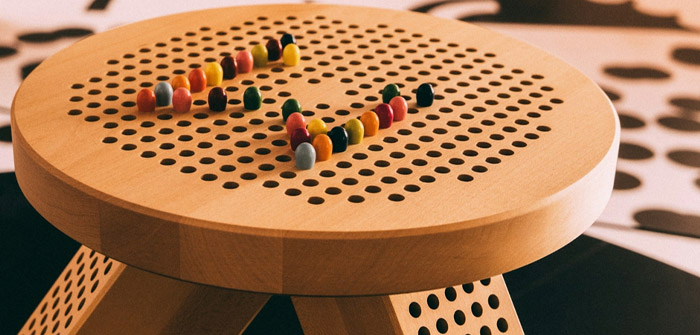
Some of the most useful shop fittings aren’t the biggest ones. They’re the pieces that slip into awkward corners, sit neatly beside a counter, or turn a narrow patch of wall into something worth browsing. A small peg board is a good example. It doesn’t demand much space, but it can do a lot with the right products on it.
That’s part of the appeal for retailers, market stall holders, and anyone trying to make a compact setup feel more organised. Big fixtures have their place, but smaller display pieces are often the ones quietly saving the day when space is tight and every square metre has to earn its keep.
They make dead space useful
Most retail spaces have odd little areas that don’t naturally suit shelves, racks, or tables. A slim wall section, the side of a stand, the end of a display run, the bit near the register that’s too visible to waste but too small for anything bulky.
That’s where compact pegboard setups come into their own. They give you a clean way to hang smaller items without making the whole space feel crowded. Accessories, impulse buys, packaged items, add-ons, lightweight stock, all of it becomes easier to see and easier to shop.
In a small store or market setup, that kind of efficiency goes a long way.
Smaller fixtures are often easier for customers to read
There’s a funny thing that happens with oversized displays. People stop seeing individual products and just register “a lot of stuff”. Once that visual overload kicks in, browsing gets lazy.
A smaller display can actually be better for attention because it limits the field. The customer can take it in quickly. They can understand what belongs there. They don’t have to work out whether the display is for tech accessories, gift items, craft supplies, beauty products, or phone cases because the range is tighter and clearer from the start.
That makes the whole thing feel less chaotic. More browseable. More likely to lead to an actual sale.
They’re handy when your stock mix changes all the time
Some fixtures only work well when the product range stays fairly consistent. A compact pegboard is a lot less fussy.
You can swap hooks around, change product groupings, test different layouts, and update the display without creating a full shopfitting project for yourself. That flexibility is useful for seasonal stock, promotional items, new arrivals, and smaller products that need a visible home without taking over the room.
For market stalls especially, that’s part of the charm. You can build a setup that packs down, adapts easily, and still looks considered once everything’s in place.
Good for impulse buys, but not only impulse buys
Pegboards often get treated as the home of last-minute add-ons near the counter, and fair enough, they do that job well. Smaller items hanging neatly at eye level are hard to ignore.
Still, they’re not limited to impulse stock. They can also help organise product families that benefit from side-by-side comparison. Different colours, sizes, variants, or styles tend to show up well when they’re hung cleanly and grouped with a bit of logic. That’s useful for shoppers who want to scan quickly without rummaging through bins or baskets.
A tidy pegboard display can feel surprisingly satisfying in that way. Everything’s visible. Nothing’s hiding.
They suit the way people shop now
A lot of modern retail, especially in smaller spaces, is less about wandering aimlessly and more about spotting things quickly. People still browse, but they tend to scan first. They want cues. They want the layout to help.
Compact wall-mounted or freestanding displays suit that behaviour pretty well. They create clear product moments without forcing the customer to dig. You can walk past, understand what’s being offered, and decide in a few seconds whether to stop.
That’s useful in busy stores. It’s even more useful in pop-ups, events, and markets where foot traffic is moving and every display has to pull people in fast.
They can make a small setup look sharper
There’s a big difference between a compact display and a cramped one.
When smaller fixtures are chosen well, they help a retail space feel intentional rather than under-sized. They show that the layout’s been thought through. Products have somewhere proper to sit. The space looks merchandised rather than improvised.
That’s one reason compact pegboard displays work so nicely in smaller businesses. They don’t fight the size of the setup. They work with it. Instead of pretending the shop is bigger than it is, they make the available space look smarter and more functional.
Easy to style, hard to fake
The nice thing about pegboards is that they’re naturally clean-looking. Even a simple setup can feel put together if the spacing’s right and the product mix makes sense.
You don’t need to over-style them either. A few grouped items, some breathing room, consistent hooks, and a bit of discipline around colour or category is often enough. If anything, pegboards look worse when people try to cram too much onto them. The strength is in the visibility.
That makes them one of those fixtures where restraint usually pays off.
Worth more than their size suggests
Compact display pieces don’t always get much credit because they look so practical. No drama, no big visual statement, no obvious wow factor. But in day-to-day retail, the practical pieces are often the ones doing the most work.
A small pegboard can open up wasted space, tidy up messy categories, make products easier to spot, and help a tighter shop layout feel more resolved. Not bad for something that barely takes up room.
That’s why these smaller fixtures tend to stick around. They’re useful, adaptable, and far more effective than their size might suggest.