

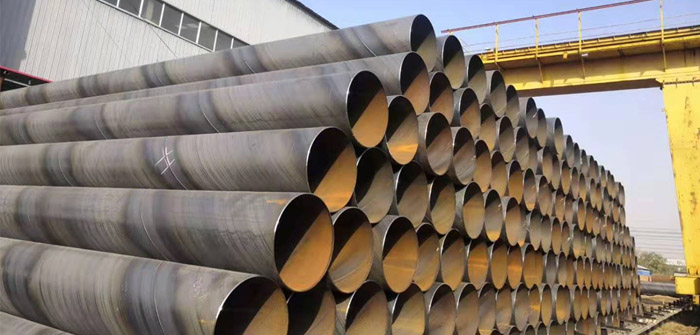
Spiral weld pipe is one of those critical components in the modern world of construction and infrastructure, and it is used across different industries. It is known for its strength, durability, efficiency, as well as cost-effectiveness, so it is no wonder that it has become a preferred solution in a wide range of applications. Go here to get a bit better acquainted with it.
Now, whether you are a contractor or an engineer, or you’re simply curious about construction materials in general, you want to understand what a spiral weld pipe is, how it is used, as well as how you can source it. All of that will help you make smart and informed decisions for your particular project, in case you have one coming up. So, what we are going to do right now, thus, is answer those questions for you below.
Keep on reading, therefore, to find out what it is that you need to know about these components. If you read on, you will learn what the spiral weld pipe is, what it is used for, as well as how and where to get these components should you decide to use them for your project. Without much more ado, thus, let us start answering those questions for you right away.
What Is the Spiral Weld Pipe?
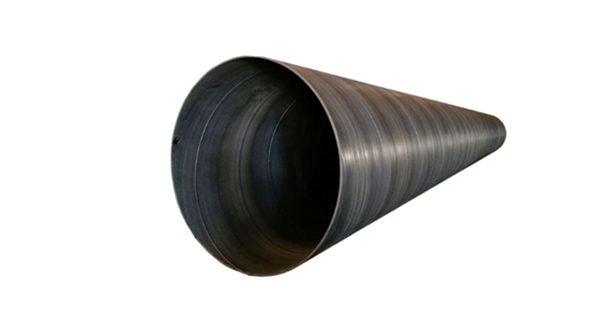
Clearly, we are going to begin with the very basics. So, a spiral weld pipe is basically a steel pipe that is manufactured by rolling a strip or coil of steel into a cylindrical shape, and then welding it along a spiral seam. Compared to those straight seam pipes, these have a helical weld that wraps around the actual pipe. And, this particular process of manufacturing allows producers to create those pipes with large diameters using narrower steel coils, which makes this a highly flexible and, of course, an efficient, production method.
Read some more on it: https://www.sciencedirect.com/topics/engineering/spiral-welded-pipe
What Is It Used for?
Let us now continue with the next important question here. What exactly are these used for? Well, for a wide range of applications, that’s for sure. And in a wide range of industries. From oil and gas pipelines, water transmission systems, to structural and construction applications and sheet pile and retaining systems.
For example, they tend to be rather popular in construction projects, such as for bridge foundations, piling systems, as well as columns and structural supports. Of course, in foundation engineering, they can definitely serve as piles driven into the ground in an effort to provide stability for certain structures. Furthermore, they can also be incorporated into retaining wall systems and bridge abutments, often used together with the steel sheet piles, thus contributing to the structural integrity of the system by providing additional support and load-bearing capacity.
How to Get It?
Anyway, the above should have made it clear that these can be used for a wide range of applications in construction, as well as in a lot of other industries. Since you are here, it is safe to say that you already have some ideas about what it is that you would want to use these for. What you want to do next, thus, is figure out how to get them for your particular project, and that absolutely requires you to take some right steps and consider some important factors in the process.
To start with the very basics, it all depends on the supplier you will choose. Meaning, thus, that when you want to get a great American spiral weld pipe, you will absolutely want to, well, find and choose the right supplier for yourself. So, start by searching for them online, or getting recommendations from other people, and then proceed towards researching the different companies you’ve come across in more details. Check their experience level, their reputation, the quality of the pipes they are selling, the prices, and anything else you need to know before deciding where to actually get these components for your project.
Of course, apart from choosing the supplier, you will also have to make some other important choices here. For one thing, think about the material grade, because different projects will require different steel grades, and you want to understand what you need, so that you can get precisely that. Then, don’t forget to check the diameter and the thickness, because the size of the pipe has to match the intended application.
Additionally, remember to keep the protective coatings in mind, as those are essential for preventing corrosion and generally maintaining durability and extending the longevity. So, check the coating options, understand what would work best for your project, and then go for that. Of course, apart from all of this, you should also ensure that the pipe meets the important industry standards.