

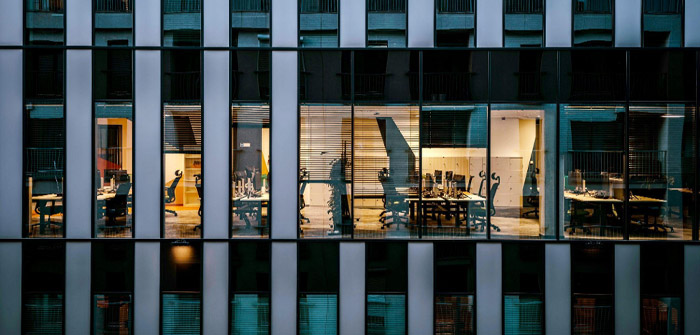
Photo by Egor Komarov
What do modern businesses actually require from their physical headquarters? The traditional floor plan, packed with rows of identical workstations, no longer meets the operational needs of modern teams. Companies frequently ask how to justify commercial real estate costs when hybrid work models mean fluctuating daily attendance. The answer lies in transforming the office from a rigid seat registry into a fluid ecosystem that supports diverse tasks. To achieve this, organisations must look beyond simple work surfaces. Incorporating integrated storage, multi-functional workwalls, and adaptable items solves the core challenges of space efficiency, acoustic control, and collaborative flexibility. By moving away from static desking configurations, businesses can create environments that support both focused concentration and team interaction.
Commercial leases represent one of the largest fixed overheads for any enterprise. When square footage is underutilised due to outdated design choices, it directly drains profitability. Landlords and tenants alike recognise that efficiency is measured by how effectively a space supports the workforce, not simply by the headcount it can theoretically accommodate. Consequently, smart business advice dictates a complete overhaul of traditional furniture procurement strategies to focus on comprehensive, multi-functional layout designs.
The Evolution of Workplace Productivity
The function of the commercial office has undergone a permanent shift. Previously, layouts prioritised maximum seat density, assuming that physical presence at a desk equated to output. Now, individual-focused work is frequently completed at home, so staff members visit the office primarily for collaborative projects, mentorship, creative workshops, and corporate alignment. Consequently, an office filled exclusively with static desks leaves critical operational gaps. Employees require distinct zones that accommodate quiet concentration, spontaneous brainstorming, and formal presentations within the same square footage.
When businesses upgrade their environments, they solve several immediate issues. Proper storage clears visual clutter, directly reducing cognitive fatigue and improving daily focus. Meanwhile, acoustic panels and physical barriers manage noise levels in open-plan offices, removing one of the primary distractions reported by corporate staff. By treating the workspace as a collection of functional zones rather than a grid of chairs, leadership teams can cultivate an environment that actively drives performance. This shift transforms the corporate property from a simple cost centre into a strategic asset that aids staff retention and engagement.
Furthermore, the psychology of the modern worker favours choice. An individual might spend two hours in a quiet booth analysing data, move to an open bench for a team catch-up, and finish the day at a standing presentation area. Forcing this person to remain at one specific desk all day limits their creative thinking and physical movement. Providing a variety of work settings addresses these shifting needs throughout the working day.
Maximising Space with Staverton Furniture Solutions
To create a truly agile layout, procurement teams must select items that serve multiple purposes. Investing in versatile Staverton furniture enables companies to adapt their layouts as headcount or team functions change. This UK-based manufacturer produces flexible workplace solutions in its own British facility, ensuring high quality and short supply chains. Its systems allow facilities managers to reconfigure layouts without commissioning expensive structural renovations.
For example, instead of assigning a permanent desk to every employee, modern floor plans utilise hot-desking systems alongside agile project tables. This arrangement allows a business to reduce its overall footprint or reallocate saved square footage to communal areas. The inclusion of height-adjustable options and collaborative benches ensures that the physical assets remain valuable even as company dynamics shift. Choosing flexible elements means the office remains functional for years, providing an excellent return on investment.
When selecting furniture assets, companies must also consider the ease of future modifications. Modular tables that can be linked together for large board meetings or separated into individual touchdown points give facilities managers unprecedented operational freedom. Sourcing components from a domestic supplier reduces the environmental impact associated with international shipping. This aligns corporate office upgrades with modern sustainability goals, an increasingly critical metric for stakeholders and clients alike. Choosing systems with long lifecycles means that companies avoid the costly cycle of replacing broken or outdated fixtures every few years.
The Strategic Value of Workwalls and Vertical Storage
Floor space is a premium asset in any commercial property. Traditional filing cabinets and low-level cupboards consume extensive floor area while offering limited utility. In contrast, modern workwalls utilise vertical space effectively, turning bare walls into valuable organisational tools. A workwall combines storage, technology integration, and structural partitioning into a single, consolidated system.
These vertical structures do more than hold reference materials or corporate files. They can house integrated AV screens for video conferencing, writable surfaces for brainstorming sessions, and concealed cable management systems to eliminate tripping hazards. By strategically placing these systems, companies can divide large open-plan spaces into smaller, more intimate working neighbourhoods without installing permanent drywall barriers. This maintains an airy, open feel while providing teams with the acoustic insulation and privacy they need to collaborate without disturbing adjacent departments.
In addition, workwalls contribute significantly to the aesthetic and professional feel of a modern workspace. By neatly concealing cables, office hardware, and printing stations behind sleek panels, they remove visual noise. This streamlined appearance creates a calm environment, helping employees feel more organised and focused. The integration of technology within these walls also means that meeting spaces can be set up instantly, reducing downtime between collaborative sessions. From an engineering perspective, modern vertical storage systems are designed with heavy-duty frameworks that handle substantial weight distribution without warping, providing a clean appearance that stands up to continuous commercial use.
Creating Adaptable Zones with Flexible Storage
Storage in the modern office should be treated as an active component of space planning rather than an afterthought. Mobile storage units, modular lockers, and credenzas can serve as movable boundaries that redefine a room in minutes. As hybrid workers return to the office, they need secure places to store personal items and devices, making smart locker systems essential.
When these lockers are integrated at the ends of desk rows or used to line walkways, they serve a dual purpose. They provide essential utility while acting as traffic-control barriers that guide footpaths away from quiet focus areas. Furthermore, modular storage can be fitted with planter boxes on top, introducing biophilic design elements that improve air quality and visual comfort. This multi-layered utility ensures that every asset procurement directly supports both employee well-being and spatial efficiency.
Mobile pedestals and caddies also allow employees to move their work essentials across different zones. If a team needs to assemble in a project space for a week-long sprint, they can roll their personal storage units to that zone, establishing an instant base of operations. When the project concludes, the items can be returned to a central storage bank, leaving the floor space entirely clear for the next group.
Balancing Collaboration and Focus via Smart Layouts
An effective workspace must cater for two contrasting needs: group collaboration and isolated concentration. When a layout relies solely on standard desks, these two activities inevitably clash, leading to frustration and reduced productivity. A mix of workwalls, acoustic pods, and flexible seating creates a balanced environment that allows tasks to proceed simultaneously.
Media units and touchdown benches encourage quick, spontaneous catch-ups away from primary desk areas, keeping main walkways clear. Conversely, acoustic privacy booths provide isolated sanctuaries for confidential phone calls or deep analytical work. This careful zoning ensures the physical workspace actively facilitates the tasks at hand, rather than forcing employees to adapt their working styles to restrictive furniture.
To optimise this balance, managers can implement clear office etiquette guidelines alongside the physical infrastructure. Designating specific zones for quiet work and others for collaborative dialogue helps employees select the right environment for their immediate tasks. When supported by appropriate acoustic baffling and clever storage placement, this spatial separation minimises friction between teams and elevates collective output.
Implementing a Long-Term Workspace Strategy
Transitioning to a dynamic office requires a clear assessment of how teams use space throughout the week. Business leaders should collect data on daily occupancy rates, meeting room usage, and peak attendance days before purchasing new assets. This data ensures that procurement decisions are grounded in actual utility rather than guesswork.
When selecting manufacturing partners, prioritise organisations that offer durability, modular designs, and comprehensive warranties. Choosing durable items that can be repaired, reconfigured, or expanded ensures that your office infrastructure grows alongside your enterprise. By focusing on multi-functional workwalls, smart vertical storage, and adaptable configurations, businesses can build a resilient workspace that fosters collaboration, protects focus, and maximises property value.
Ultimately, the modern office is no longer just a physical location where people sit at a desk. It is a tool for corporate culture, collaboration, and efficiency. Investing in smart storage, integrated workwalls, and highly flexible furniture systems ensures that your business remains agile, competitive, and fully equipped to meet the operational demands of the future workspace landscape.